Keeping a yard looking good in Cottonwood can be tricky when the weather is hot and water is limited. A lawn that looked great when you first moved in may suddenly feel like a lot of work once summer arrives.
You may find yourself watering more often, replacing plants that cannot handle the heat, or watching parts of the lawn turn brown.
It does not have to be that way.
A low-water yard can still have plenty of colour, shade and personality. You do not need to cover everything in gravel or remove every patch of grass. With the right plants, better watering and a little planning, you can create a yard that looks good without needing constant attention.
Here are some practical cottonwood landscaping ideas that make sense for local homes.
Can you have a green yard without using lots of water?
Yeah. But you have to change how you think about green.
The City of Cottonwood has a plant list. Native stuff. Adaptive stuff. Things that actually survive here without you hovering over them with a hose. They also support low-water landscaping and xeriscape principles.
But here’s what people get wrong. They think low-water means rocks and cactus. That’s not true.
You can have trees. Shrubs. Flowers. Even grass. You’re just not trying to make every inch of your property look like a golf course.
Ask yourself this. How do you actually use your yard?
If your kids play on one patch of grass, keep that patch. If nobody ever sets foot on the side yard, why are you watering it?
That’s the shift. Stop watering things you don’t use.
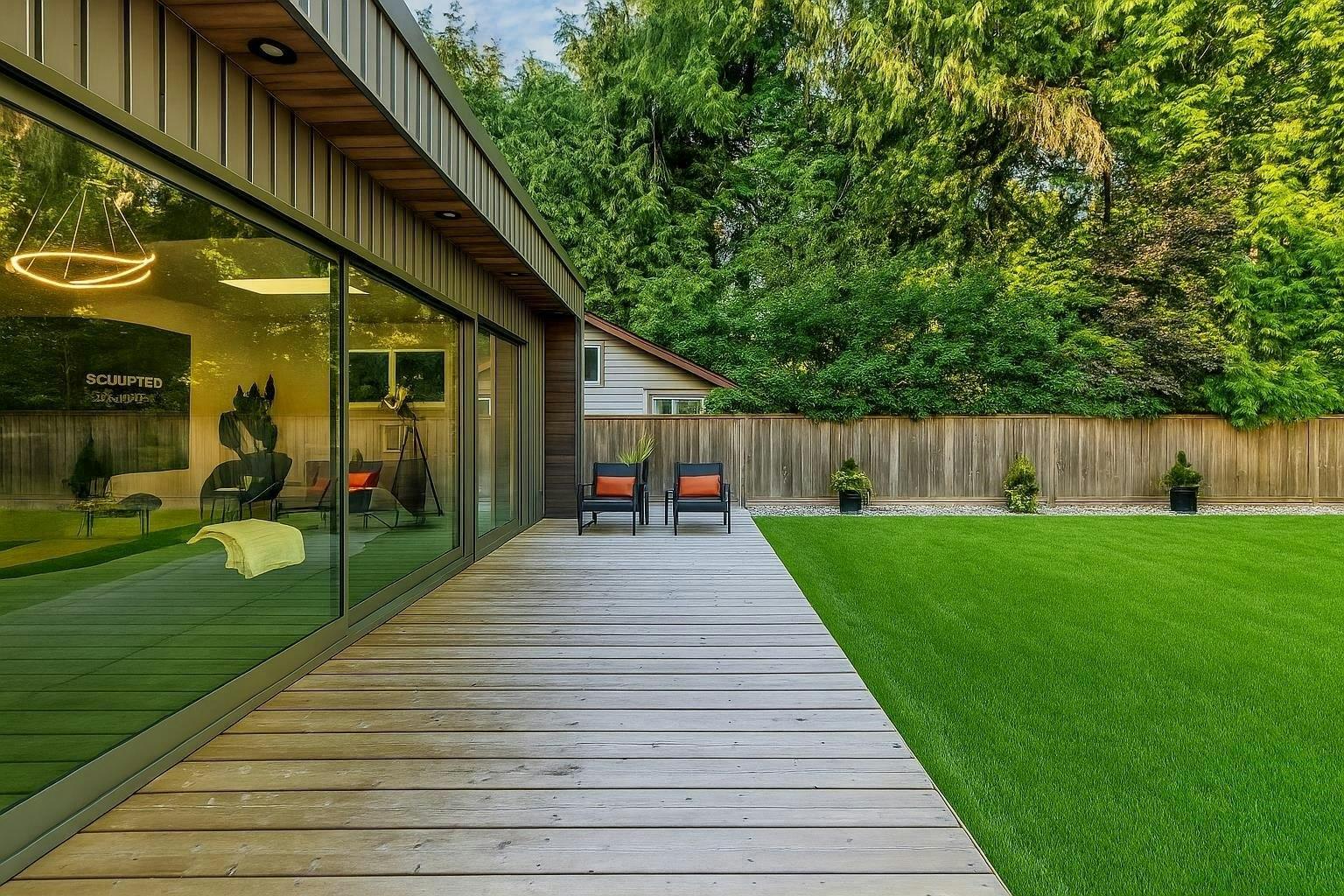
- Sod gives you instant green but still needs mowing and watering
- Artificial turf costs more upfront but saves you hours every month
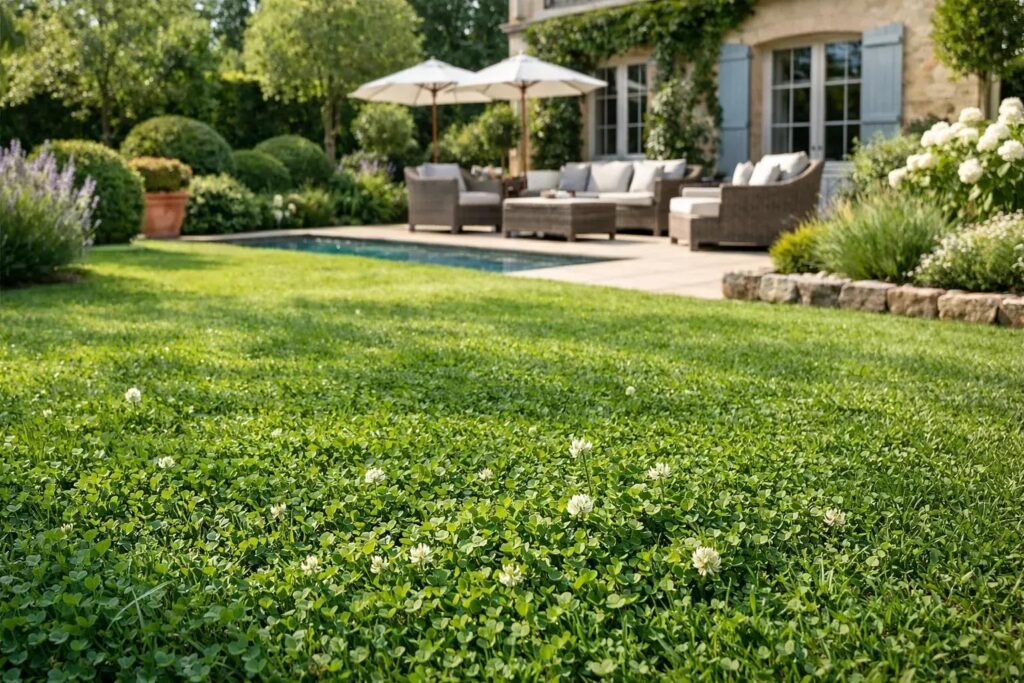
- Fine fescue and micro-clover are real grass options that need less mowing and less water
- Maple Ridge's wet climate makes some options easier than others
- Proper installation matters more than which option you choose
- The right choice depends on your time, budget, and how you actually use your yard
What parts of your lawn can you replace first?
Don’t rip everything out at once. That’s overwhelming and expensive.
Start with the dead zones.
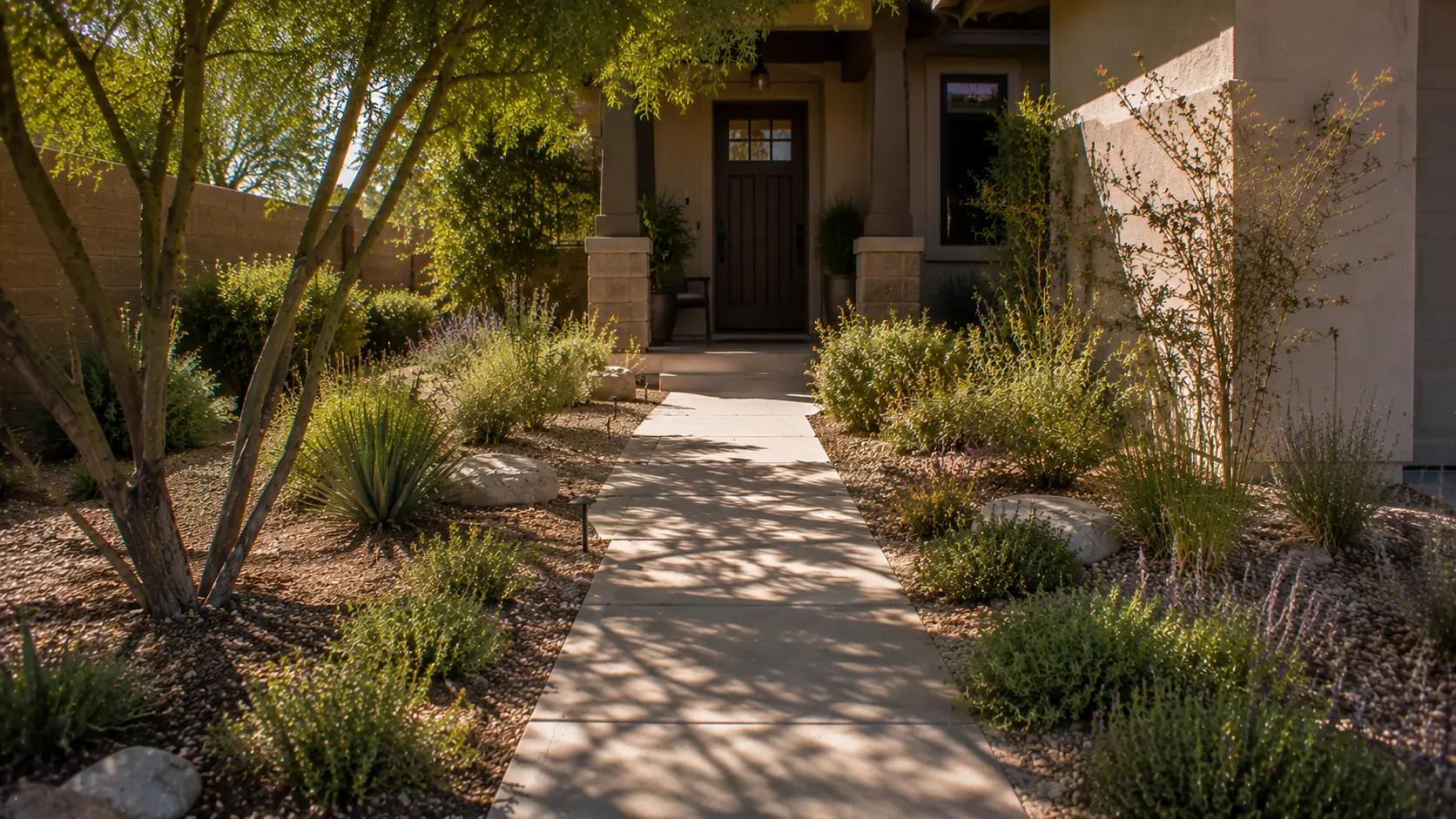
That narrow strip next to the driveway? Nobody walks there. The side yard you never look at? Same thing. Turn those into planting beds. Gravel. A mix of rocks and plants. Whatever works.
Front yard? Keep a little green near the entrance. Use drought-tolerant plants around it.
Backyard? Maybe swap part of that huge lawn for a sitting area. Add a shade tree. Put in some beds.
Honestly, it makes the yard more useful. Instead of mowing and watering a giant lawn you never sit on, you get a space you actually want to hang out in.
Which plants are better for a low-water Cottonwood yard?
Do your homework before you buy anything.
Cottonwood has an official plant list. The University of Arizona Cooperative Extension also has resources for Yavapai County and the Verde Valley. Use those.
Don’t just grab something because it looks pretty at the nursery. Ask yourself:
- Will it survive full sun?
- How much water does it need once it's established?
- Does it like my soil?
- How big will it get?
- Will I have to prune it all the time?
- Is this spot actually right for it?
Group plants with similar water needs together.
That way you’re not trying to keep one thirsty plant alive in the middle of a bed full of plants that want to be dry.
Is mulch worth using around your plants?
Yes. Definitely.
Mulch is one of those simple things that makes a big difference.
Bare soil gets hot. It dries out fast. Mulch covers it up and helps hold moisture in.
Use organic mulch around trees, shrubs, and beds. The City of Cottonwood recognises organic mulch as part of landscape treatment.
One thing though. Don’t pile it right against the trunk or stem. Give the plant some breathing room.
And you don’t need a foot of the stuff. Just enough to cover the soil.
Should you switch from sprinklers to drip irrigation?
For a lot of planting areas, yes.
Sprinklers spray water everywhere. Some of it lands on your driveway. Some of it blows away in the wind.
Drip irrigation puts water right where the plant needs it.
But don’t just install it and forget about it.
Check the lines. Look for breaks. Blocked emitters. Leaks. One bad line can kill a plant while everything else looks fine.
And check your timer too.
The schedule that worked in July is probably way too much in October. Adjust it. Don’t leave the same program running all year.
Does watering deeply really help?
It can. Especially once plants are established.
A little water every day isn’t always the best approach. A deeper soak with time in between helps roots grow down. That makes plants tougher.
But new plants are different.
Something you just put in the ground last week needs more attention. You can’t treat it like a plant that’s been there for years.
Soil matters too.
Sandy soil. Compacted soil. Clay soil. They all handle water differently. If water runs right off or disappears instantly, changing the schedule might not fix it. Sometimes the soil itself is the problem.
Can you use rainwater to help your landscape?
Yeah, and it doesn’t have to be complicated.
Look at your roof. Look at your downspouts. Where does the water go when it rains?
If it runs straight to the street, maybe you can redirect some of it to a planting area. Cottonwood’s rules recognise rainwater harvesting, swales, and catchment areas.
You could also put a bed in a lower spot so it catches runoff.
Just think about drainage first. You don’t want to solve one problem and accidentally send water toward your foundation.
How can you make a low-water yard more interesting?
This is the big one. People think low-water means boring.
It doesn’t.
Use different heights. Different textures. Different shapes.
A small tree gives height. Shrubs fill in underneath. Flowers add colour. Gravel or decomposed granite separates areas. A curved walkway makes it look finished.
You could even put a couple chairs under a shade tree.
The trick is not to go crazy with ten different plant types. A few well-chosen groups look better than a bunch of random stuff scattered everywhere.
And leave some open space. Not every square foot needs a plant.
What can you do if you still want some grass?
Keep it where it makes sense.
If your family uses the backyard every weekend, don’t rip it out just because it’s trendy.
Just use less of it.
A smaller lawn surrounded by low-water plants is way easier to manage than a huge grass area.
Also check your irrigation. If sprinklers are watering the pavement more than the grass, fix that first.
Sometimes the lawn isn’t the problem. It’s how you’re watering it.
What are some easy changes Cottonwood homeowners can make now?
You don’t need a full renovation. Just start small.
Replace one patch of lawn you never use.
Turn it into a bed or hardscape.
Fix obvious leaks.
A dripping connection wastes water and you might not even notice.
Add mulch.
It’s cheap and helps soil hold moisture.
Group plants by water needs.
Makes watering easier.
Check your timer.
Last year’s settings might not make sense anymore.
Look at your downspouts.
You might be able to use rainfall better with some simple grading.
Stop buying plants without checking how big they get.
That tiny shrub at the nursery? It might turn into a monster.
Small stuff. But it adds up.
Is low-water landscaping worth the initial investment?
For a lot of people, yeah.
You’re not just buying plants. You’re changing how your yard uses water and how much work it takes to keep it looking good.
A good plan also stops that cycle of planting something, watching it struggle, replacing it, and doing it all over again.
If you’re redoing a big chunk of your yard, look at the whole property first. Drainage. Sunlight. Irrigation. Soil. Plant sizes. How you actually use the space.
That’s where planning saves you money.
A low-water yard does not have to look dry
The best Cottonwood landscaping isn’t about having the least green.
It’s about using water wisely.
Keep grass where you need it. Replace what you don’t use. Pick plants that actually like it here. Fix your irrigation. Add mulch. Catch some rain.
And make it comfortable. A low-water yard can still have shade. Flowers. Seating. Character.
If you’re planning a new yard or want to redo what you’ve got, Kinsley Landscape can help. We’ll look at your property, your style, and the local conditions. A little planning now makes the yard way easier to enjoy later.