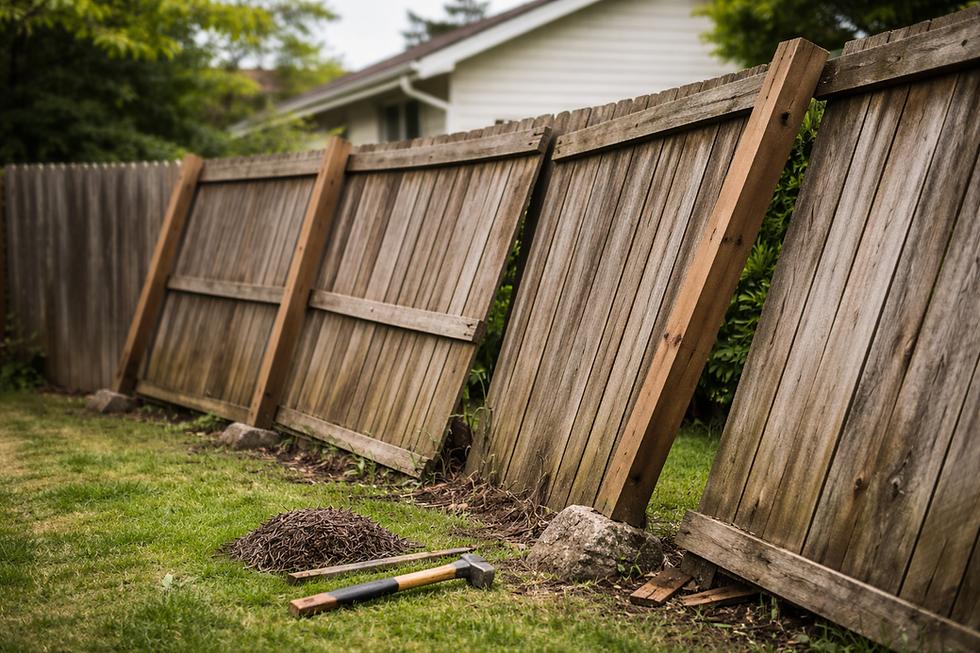
A homeowner in Maple Ridge is out in the backyard on a Saturday morning, looking at the fence he put up about twelve years ago. The gate drags on the ground. A few boards at the bottom feel soft, and there’s green moss creeping up from the soil. One post leans a little toward the neighbour’s yard.
He wonders, is this just what happens? Did he get his money’s worth?
That’s a fair question, and it comes up a lot around here. Maple Ridge gets plenty of rain, and fences take a beating from it. So how long should a cedar fence really last? And what decides whether yours makes it to 10 years or 25?
If you’re planning cedar fence installation in Maple Ridge, here’s what to know before you start.
How long does a cedar fence last in Maple Ridge?
Most cedar fences last somewhere around 15 to 20 years here. Some go longer, especially when they’re installed well and looked after. Others start to fail in under 10 if the posts rot or the wood stays wet all the time.
That’s a wide range, and the reason is simple. The cedar panels and boards usually aren’t what fail first. It’s the posts, and what happens where the wood meets the ground.
Why does Maple Ridge’s climate matter so much?
Maple Ridge sits at the wetter end of the Lower Mainland. We get long, rainy stretches in fall, winter and spring, and the ground stays damp for months. Add shade from big trees, and a fence can stay wet for days after the rain stops.
Wet wood is where trouble starts. Moisture lets moss, algae and mildew grow, and over time it leads to rot. Our winters are mild, but we still get freezing nights. Water that soaks into the wood can freeze and thaw, and that slowly opens up small cracks.
Summer swings the other way. Dry, hot weeks make cedar shrink and sometimes check or split. Going back and forth between wet and dry is hard on any wood fence.
Why do people choose cedar in the first place?
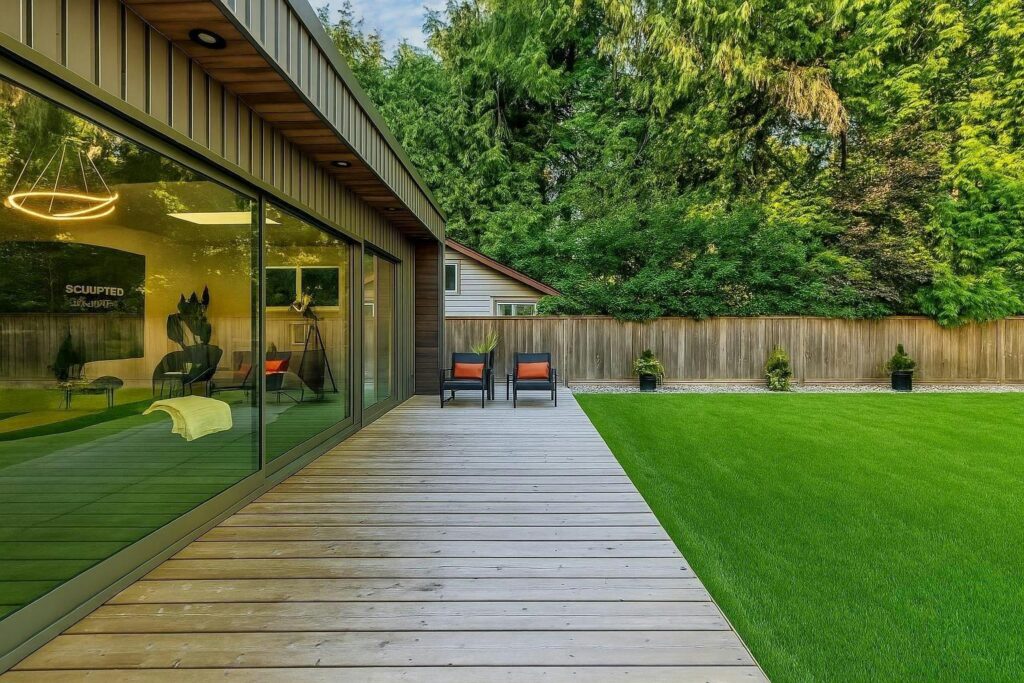
Because cedar handles this kind of weather better than most wood. It has natural oils that help it resist rot and insects. It’s also stable, which means it’s less likely to warp or twist than cheaper wood. And it looks good, with a warm natural colour that suits gardens, lawns and patios.
Cedar isn’t rot-proof, though. It’s just slower to rot than other woods. How it’s built and cared for makes a big difference to how long that advantage lasts.
What usually fails first on a cedar fence?
The posts, nearly every time.
A post sits in the ground, where the soil holds water. The part right at ground level is the worst spot, because it goes from wet to dry over and over. That’s where rot starts. A fence can look fine on top and still have a post that’s soft and weak below the surface.
The bottom edge of the boards is the next weak spot. If the boards touch the soil, they soak up moisture like a sponge. That’s why you often see rot and green moss along the bottom of older fences first.
How does the installation affect how long it lasts?
More than most people think. Two fences made from the same cedar can last very different lengths of time depending on how they’re built.
Here are the details that matter:
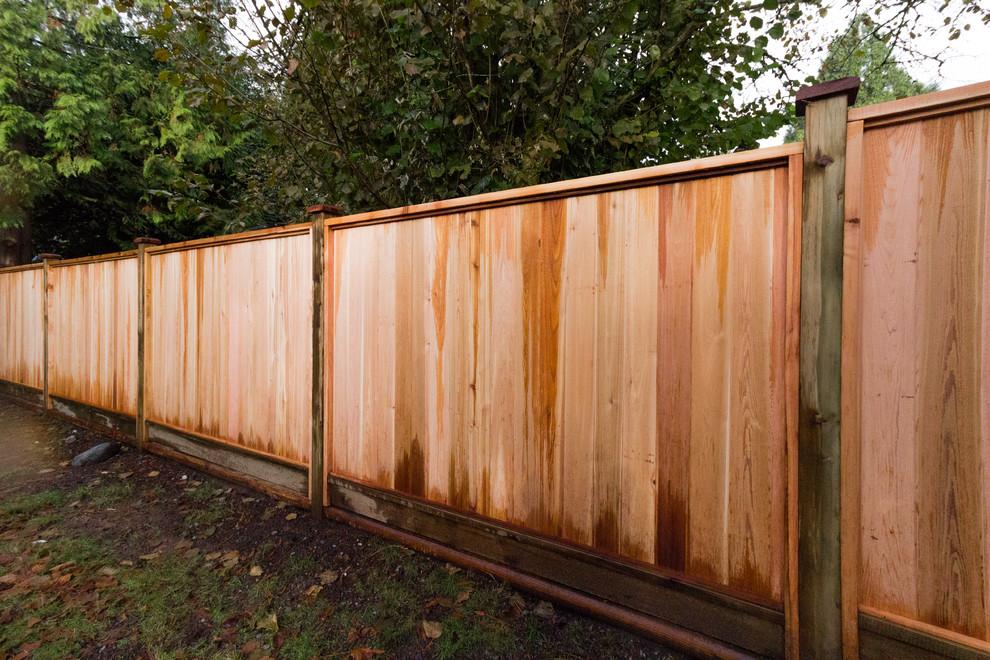
Pressure-treated posts. Using pressure-treated wood for the posts helps them last longer in the ground.
Properly mixed concrete. Concrete should be mixed to the right consistency and poured around each post. Dumping dry mix in the hole doesn’t set properly, and the post ends up weaker.
Concrete that protects below the surface. A good concrete footing keeps the post steady and helps shield the part of the wood that rots first.
Post caps. A cap on top of each post keeps rain from soaking in through the end grain, which adds years to the post.
Even height and clean cuts. Trimmed posts and proper finishing help water run off instead of pooling.
A gap above the soil. Boards should sit a little above the ground so they aren’t constantly wet.
A well-built fence doesn’t cost much more at the start, but it can add many years of life. When you’re comparing quotes for cedar fence installation in Maple Ridge, ask how the posts are set. It tells you a lot.
How can you help your fence last longer?
A little care goes a long way here.
Seal or stain the wood every two to three years. A good finish helps water bead off and slows down moss and mildew. If you skip it, the cedar will turn silver-grey. That’s natural and doesn’t hurt the wood, but an unprotected fence will usually wear faster in our wet weather.
Wash it once a year with a soft brush and mild cleaner to remove moss and dirt. Keep soil, mulch and garden beds from piling up against the boards. Trim shrubs and vines so air can move around the fence and it can dry out. Check your sprinklers too. If a sprinkler hits the fence every morning, that’s a lot of extra moisture, and it can shorten the fence’s life.
After a big windstorm, walk the fence line and look for leaning posts or loose boards. Small fixes done early are much cheaper than a full rebuild.
What are the signs your fence is wearing out?
Look for these:
- Posts that lean or wobble when you push them
- Boards that feel soft or crumble when you poke them with a screwdriver
- Green moss or dark patches that keep coming back
- Gaps, cracks or boards that have pulled away from the rails
- A gate that sags or drags
- Rusty or loose nails and screws
Grey colour on its own isn’t a problem. Soft wood is. The screwdriver test is easy and tells you a lot. If the tip sinks in easily, the wood is rotting.
Should you repair it or replace it?
It depends on what’s wrong.
If only a few boards are damaged, replacing them is usually fine. If one or two posts have rotted, you can often replace just those and keep the rest of the fence. But if most posts are soft, or the fence leans along its whole length, it’s often cheaper in the long run to start fresh. Putting new panels on rotten posts only works for a short time.
When you replace a fence, it’s a good chance to fix the cause. Better drainage, a gap above the soil and stronger posts can help the new fence last much longer than the old one.
The bottom line
A cedar fence is a good fit for Maple Ridge’s wet weather, and a fence that’s installed well and looked after can last 15 to 20 years or more. The posts, the concrete, the post caps and the way the boards sit above the ground matter as much as the cedar itself. Add regular sealing and a bit of upkeep, and you can get a lot more out of your investment.
If you’re looking at cedar fence installation in Maple Ridge, Kinsley Landscape builds fences for homes and businesses throughout the area. We use pressure-treated posts, concrete mixed on site and protective caps on every post, so your fence is built for the climate. Call us at 604-465-9780 or start your project online, and we’ll help you plan it.
FAQs
Yes. Cedar naturally resists rot and insects better than many other woods, which makes it popular in the Lower Mainland. It still needs good installation and some care to last.
About every two to three years in Maple Ridge’s wet weather. Regular sealing helps keep moisture out and slows moss and mildew.
Posts sit in the ground where the soil stays damp, and that’s where rot starts first. Pressure-treated wood holds up better there, which helps the whole fence last longer.
Yes, if it isn’t stained or sealed. The grey colour is natural and doesn’t mean the wood is damaged, but a protective finish helps it wear better.
Often, yes. Damaged boards, rails or a single post can usually be replaced without redoing everything, as long as the rest of the fence is in good shape.