Think your yard is just a pretty space? It might also be your home’s best defense against a wildfire. This article breaks down the updated 2026 FireSmart BC rules specifically for Maple Ridge homeowners. You’ll get a zone-by-zone checklist of what to rip out, what to plant, and where to put gravel instead of mulch.
First Off, What’s the Actual Risk Here?
We all move to Maple Ridge for the trees. The green. The privacy. But that same lush forest that makes Silver Valley or Thornhill so desirable is also fuel. FireSmart BC has updated their guidelines for 2026, releasing the new FireSmart Begins With You Guide this March. The big takeaway?
Embers are the real killer, not walls of flame. And your landscaping choices in the first 10 metres around your house decide whether those embers find something to eat or fizzle out on a rock.
At Kinsley Landscape, we’ve been shaping outdoor spaces in Maple Ridge for over 20 years. We know the local soil, the local plants, and we know how to build a yard that is both beautiful and resilient. This isn’t a scare tactic. It’s a practical checklist you can use this weekend to make your home significantly safer.
Know Your Zones
FireSmart BC breaks your property into three priority zones. Most of the work we’ll cover today falls into Zone 1 (0-1.5m from home) and Zone 2 (1.5-10m from home). These are the areas where smart landscaping choices act as a shield.
The 2026 Priority Checklist for Zone 1 (The Non-Combustible Zone)
This is the no-nonsense zone. Zero fuel. Everything in this strip should be mineral, rock, or concrete. If you have bark mulch butted up against your siding, you’re essentially lining your house with kindling.
The Must-Do List for Zone 1:
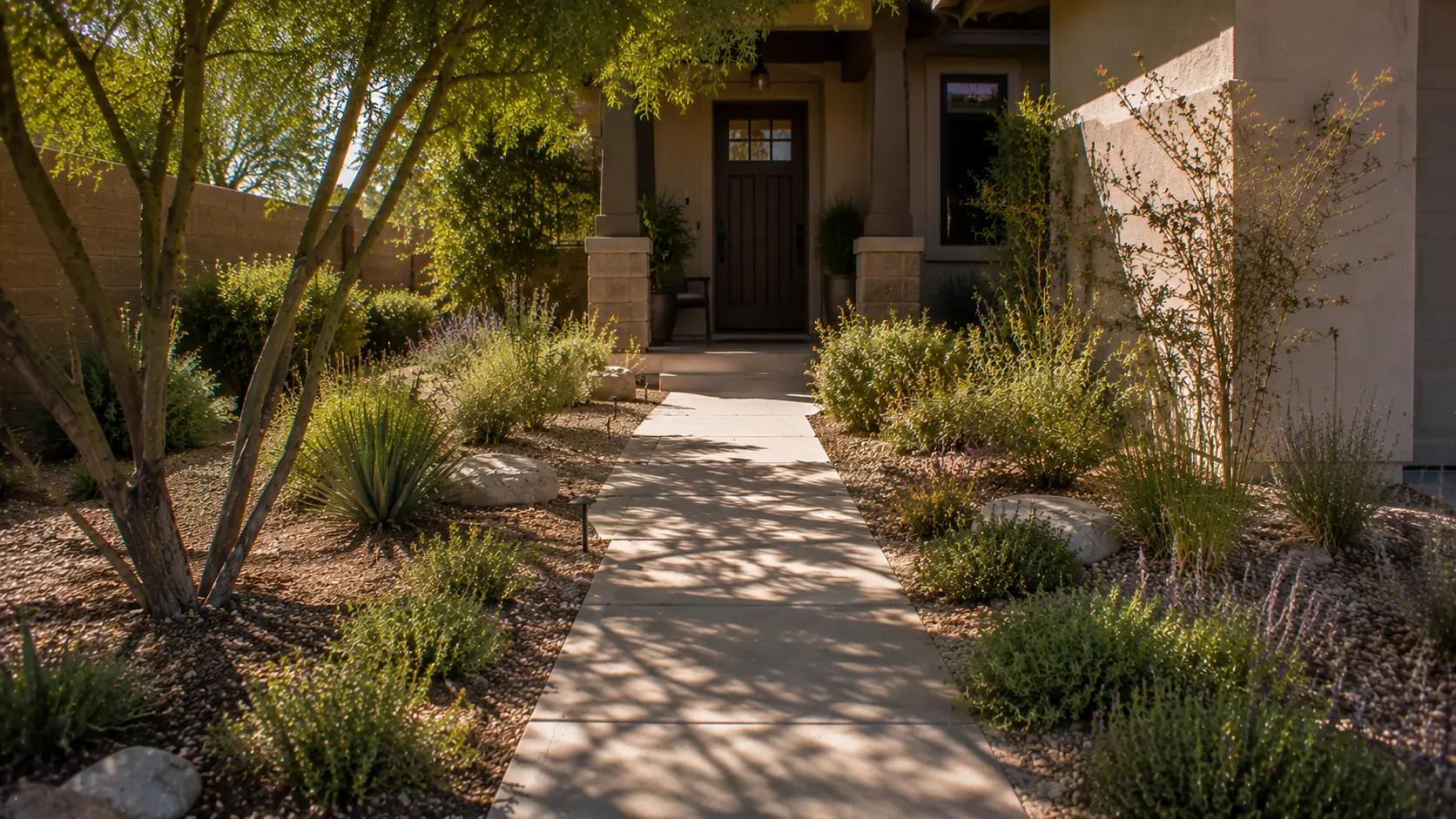
- Mulch is out. Rock is in.Replace any bark, wood chips, or shredded rubber within 1.5 metres of the foundation. Use river rock, crushed gravel, or stone pavers. Kinsley does a lot of this with our hardscaping crew. It actually looks cleaner and cuts down on weeds too.
- Branches touching the house?Not okay. Trim back anything-shrubs, tree limbs, climbing vines-so there’s a solid 1.5 metre gap of air.
- Check underneath your deck.This is a hidden trap. If your sundeck is attached to the house and sits low to the ground, embers roll right under there. You need to screen it in with 3mm metal mesh. And while you’re down there, rake out any dead leaves that have blown in over the winter.
- Firewood pile.It’s convenient to stack wood against the garage wall. It’s also dangerous. Move it at least 10 metres away from the house. That’s Zone 3 territory.
The 2026 Priority Checklist for Zone 2 (The Fuel-Free Garden)
This is the landscaped part. The lawn, the flower beds, the specimen trees. You don’t need a barren wasteland here. You just need to be smart about plant choices and maintenance.
The Smart Gardening Checklist:
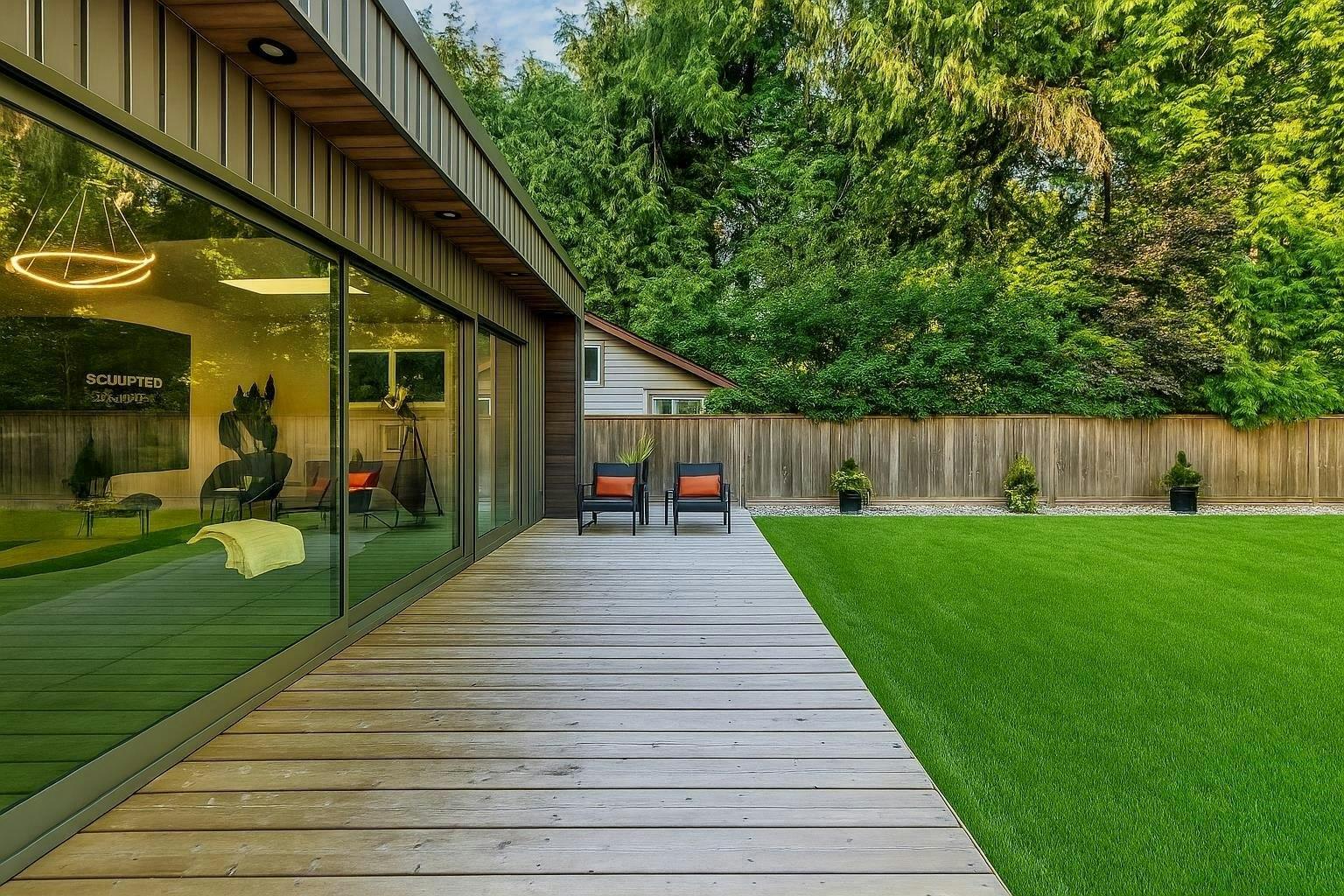
- Clean and Green.Keep the lawn mowed short-under 10cm is ideal. Rake up those dead leaves and pine needles. In Maple Ridge, we get piles of cedar droppings. Get rid of them. They’re full of volatile oil.
- Ditch the “Green Gasoline.”Some plants are just accidents waiting to happen.
- Avoid:Juniper, Cedar hedges, Pine trees, and those fluffy Ornamental Grasses. They pop like popcorn in a fire.
- Plant Instead:Think fleshy leaves. Hydrangeas, Rhododendrons, Oregon Grape, and even well-watered Hostas. These hold moisture and resist ignition. Our design team can help you swap these out without ruining your curb appeal.
- Ladder Fuels.Look at your trees. Do you have low branches that brush the ground? Those are ladders. A grass fire climbs those right up into the crown of the tree. Prune branches up to 2 metres off the ground.
- Trees Need Space.If you have a cluster of three or four conifers, thin them out. Aim for 3 to 6 metres between the tops of mature trees. It stops fire from jumping from one tree to the next.
Hardscaping as Fire Prevention (Beyond Just Looks)
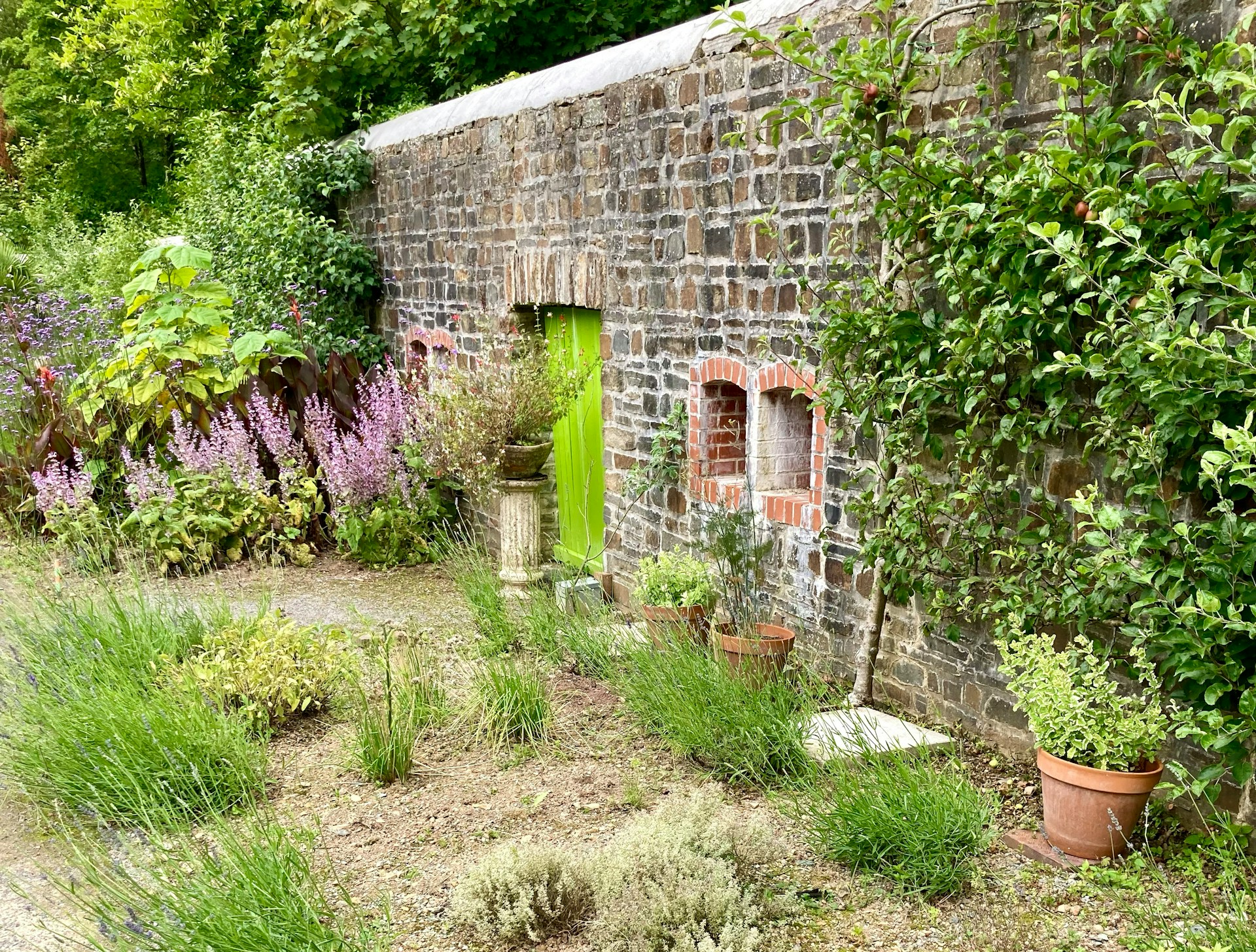
A lot of homeowners think FireSmart means a barren yard. It doesn’t. It means using hardscaping elements strategically.
- Stone Retaining Walls:If you have a slope on your Maple Ridge property, a retaining wall made of stone or concrete block not only manages erosion but creates a strong, non-flammable barrier that stops fire from moving uphill toward the house.
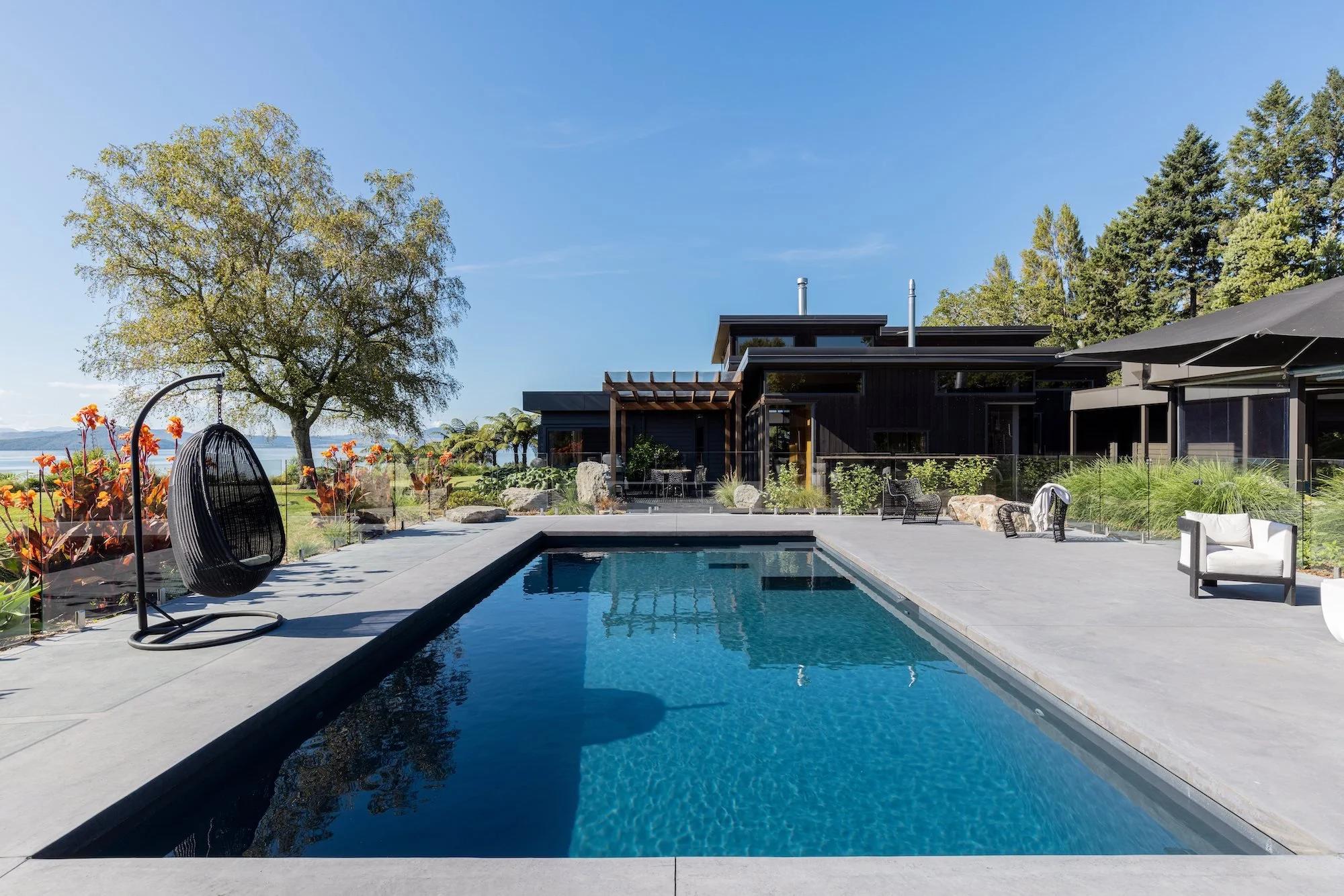
- Patios and Pathways:Connect paved areas. A stone pathway around the perimeter of the house creates a “fuel break” that gives firefighters a place to stand and defend the structure.
- Water Features:Functional water features connected to your irrigation supply can act as a last-ditch wet zone, though you should never rely on a pond to save your home in a true emergency.
A Special Word on Cedar Hedges (Because Every Lot Has One)
I know. You love the privacy. But a dry cedar hedge is essentially a wall of gasoline. You don’t have to rip it out, but you must maintain it if it’s in Zone 2.
The Compromise Plan:
- Water it deep and regularly. This is where a drip irrigationline from Kinsley Irrigation makes a night-and-day difference. A thirsty hedge is a fire hazard.
- Once a year, reach inside and pull out all the dead brown needles. That “skeleton” material is what catches an ember.
- Create a gap. Don’t let the hedge touch a wooden fence or the house. Put a strip of gravel or lawn between them.
Don’t Forget the Roof and Vents (The Ember Attack)
This is the biggest shift in the 2026 guidelines. Most houses in wildfire zones burn down because of wind-blown embers, not because a wall of flame overtakes them. They sneak in through tiny openings.
The Weekend Warrior List:
- When did you last clean them? Dry maple leaves in a gutter are the perfect landing pad for an ember. Clean them out before fire season.
- Look at your attic vents and soffits. Are they just open holes? They need to be screened with 3mm non-corrosive metal mesh. Not plastic. Not fiberglass. Metal. This is the single cheapest insurance policy you can buy for your home.
- Patio Furniture.That wicker loveseat is flammable. If it’s right up against the house, move it away from the wall during the fire season. Or better yet, consider metal furniture with fire-rated cushions for your outdoor space
What We’re Seeing in the 2026 Rules
There’s a bigger push this year on Zone 1 hardscaping. The 0-1.5m zone is non-negotiable. The days of cedar shrubs right under the living room window are over if you want to be FireSmart certified.
Also, the city of Maple Ridge is looking at community resiliency plans. Areas like Webster’s Corners and Thornhill are on the radar. Being proactive now is just smart. It protects your property value and your family.
The Bottom Line
You don’t need to clear-cut your property. You need to manage the first 10 metres. Swap the mulch for rock. Trim the dead branches. Screen the vents.
If you look at this list and feel a bit overwhelmed, that’s normal. Most of our clients call us because they don’t know a Cedar from a Juniper. Kinsley Landscape has been doing this in Maple Ridge for over 20 years. We can handle the heavy lifting-from brush clearing and planting to installing that gravel bed and irrigation.
Let’s make sure your home is ready for summer.