You flip through a magazine or scroll social media and there they are. A little pond with fish swimming. A bubbling fountain on the patio. A small waterfall trickling into a basin.
They look peaceful, right? Calming. Like something that would make your backyard feel special. If you’re still exploring pond designs and installation ideas, our ultimate guide to adding a pond to your home is a great place to start.
And honestly, they do. Water features add something. From fountains and waterfalls to reflection pools, these stunning water features can completely transform your backyard space. The sound of running water. The movement. The life.
But if you have little ones tearing around the yard or a dog that thinks every corner of the garden belongs to him, you have probably wondered. Are these things actually safe? Or are they just accidents waiting to happen?
Fair question. Water and kids or pets is a tricky mix. Nobody wants to spend their evenings worrying instead of relaxing.
Here is the thing though. The good news is, with some smart planning and a few simple choices, you can have that beautiful water feature without lying awake at night stressing about it. Working with experienced Pool Installation Services Maple Ridge professionals can help homeowners design water features that balance beauty, functionality, and safety.
Let me walk you through what you actually need to know if you are thinking about adding a water feature to your Maple Ridge home. The risks, the precautions, and how to make it work for everyone.
The Main Concern with Kids and Water
Here is the thing about young children and water. It takes almost nothing for things to go wrong.
The safety experts at Parachute, Canada’s leading injury prevention organization, put it plainly. Children under five are at the highest risk of drowning. And they can drown in as little as 2.5 centimetres of water. That is about one inch.
Think about that. A shallow ornamental pond. A fountain basin. Even a large pot saucer filled with rainwater. All of it can be dangerous if a toddler falls in face-first and cannot get back up.
Kids are top-heavy. Their heads are big compared to their bodies. If they tumble into water, they may not have the strength or coordination to push themselves back out. And drowning is silent. You do not get splashing and yelling like in the movies. It happens quietly.
That does not mean you cannot have water features. It just means you need to think differently about how you set them up.
The Pet Side of Things
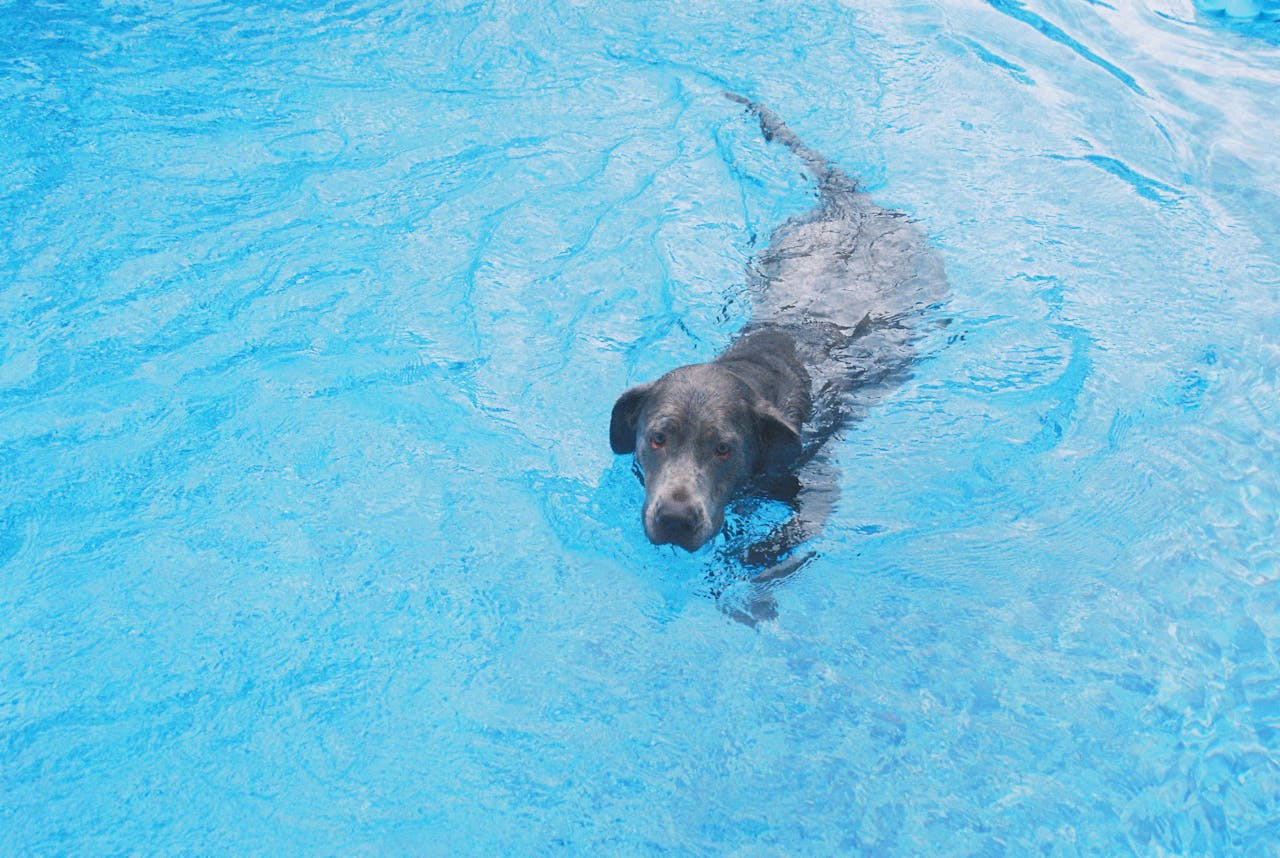
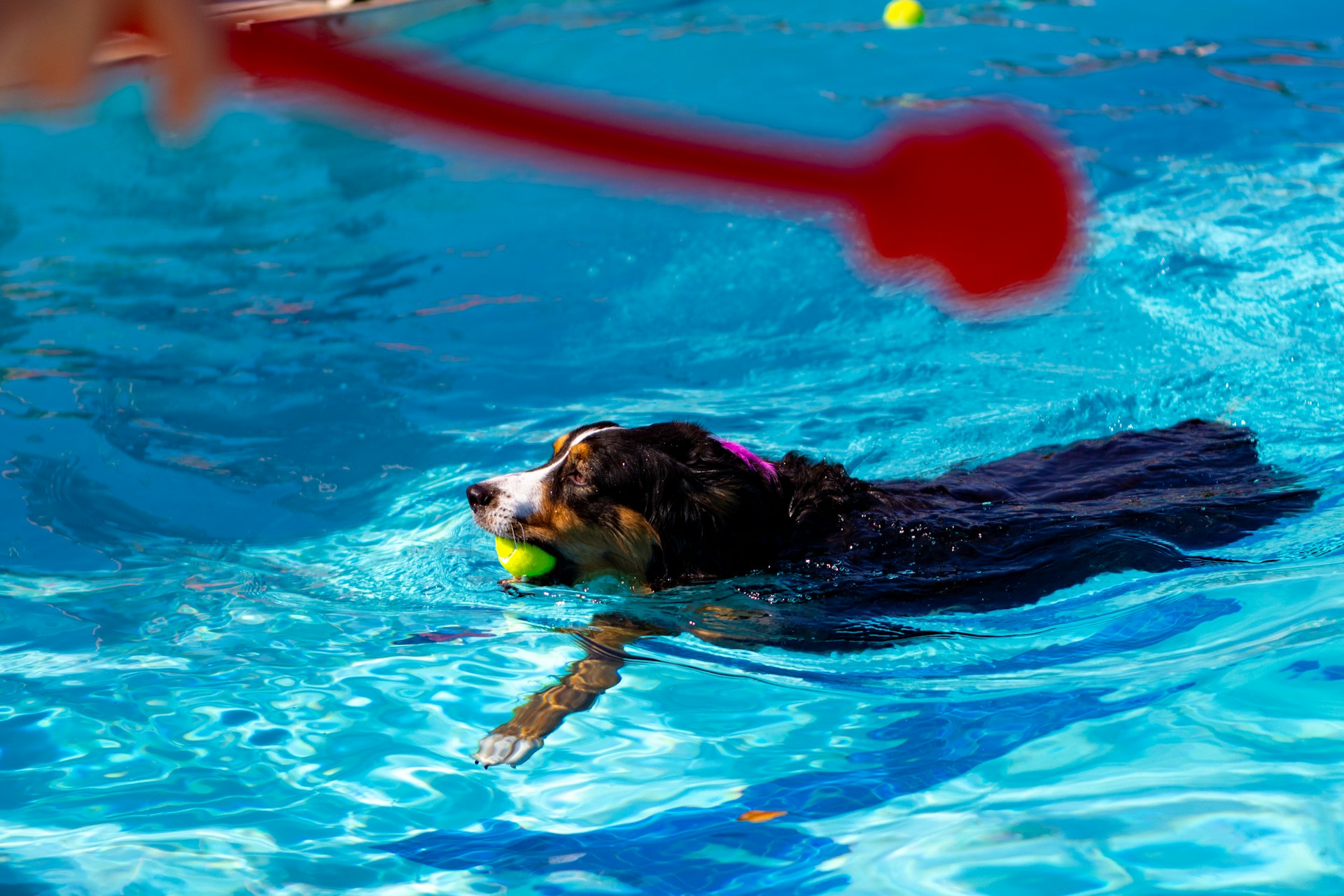
Pets are a whole different story. Not because they are less capable swimmers. Most dogs can swim just fine. Cats, not so much. But because they are curious and do not understand the risks.
To a dog, a pond is a giant water bowl. A place to cool off. A source of endless fascination, especially if there are fish involved. To a cat, that moving water and those colourful fish are prey. They will sit and stare for hours. Maybe take a swipe.
The danger for pets is not usually drowning, though that can happen. It is getting in and not being able to get out. Ponds with steep, slick sides are traps for animals. They fall in, paddle around, and find no purchase to climb back out. They tire. They go under.
Moreover, the splashing dogs may destroy pond liners, cause mud to stir up and cause any fish you may have to stress. And when your dog drinks the pond every day, then you should consider the quality of water. Water which is not moving breeds bacteria. Mouths and stomachs are irritated by chlorine in pools. Neither is good for your pet.
Safety by Design
The most appropriate moment to ensure that a water feature is safe is before it is constructed. In case you are proposing a new pond, fountain or waterfall, be safe in advance.
- Shallow is better. For ponds, think about shallow shelves around the edges. These create safe exit points if a child or pet falls in. They also give you places to put plants. Avoid steep drop-offs.
- Ramps and rough surfaces. If the sides of your pond are smooth, animals cannot climb out. A rough ramp, some rocks stacked to create steps, or even a mesh ladder can save a life. In nature, animals use sticks or stones to escape. Your pond should have the same.
- Covers and grates. For smaller features, consider a mesh cover or grate just below the waterline. It lets you see the water and keeps the pump working, but prevents paws and little hands from getting in. Some people use netting over part of the pond.
- Fencing. You do not need a huge ugly fence. A low decorative barrier, some attractive metal edging, or even a thick hedge can be enough to discourage toddlers and curious pets. The goal is not to imprison your yard. It is to create a respectful boundary.
For pools in Australia, which has similar standards to Canada, any pool that can hold 30 centimetres of water or more must have compliant fencing. That includes inflatable and portable pools. While your decorative pond may not legally require a fence, the same thinking applies. Barriers work.
The Supervision Rule That Never Changes
Here is the most important thing. No amount of design replaces active supervision.
The Sydney Children’s Hospital Network, which deals with more drowning incidents than anyone wants to think about, has clear guidelines.
For children under five, a capable adult should be within arm’s reach in and around any body of water. Not watching from the deck chair. Not scrolling on a phone. Within reach.
For kids six to ten, an adult should watch carefully and be able to get in the water instantly if needed.
For older kids, supervision still matters. And at parties or gatherings, designate one person to be on “water watch.” Rotate the job so everyone gets a break but someone is always paying attention.
The same goes for pets. Never leave dogs unsupervised around water, especially if they are old, young, or not strong swimmers. They can panic. They can tire. They can get into trouble fast.
The Alternatives That Lower Risk
If you love the idea of water but worry about the risks, there are alternatives.
- Fountains without standing water. Recirculating fountains that hide the reservoir behind rocks or underground. You get the sound and movement without open water that kids or pets can access.
- Bubbling urns. Water bubbles up through pebbles and drains back into a hidden tank. The exposed area is just wet stones, not deep water.
- Dry stream beds. The look of a creek without the water. Great for drainage and visual appeal.
- Wall features. Water trickling down a vertical surface into a narrow catch basin that can be covered with grates.
- Spray parks. If you really want water play, Maple Ridge has some wonderful public options. The new spray park at Maple Ridge Park features misting boulders, a mega soaker bucket, spray cannons, and a water slide. Fully accessible, professionally designed, and supervised by you in a public setting. Sometimes the safest water feature is the one that is not in your backyard.
Maintenance Is a Safety Issue
Another way in which an un-maintained water feature can be unsafe is by allowing it to become dangerous.
Water that does not move breeds mosquitoes. Mosquitoes carry diseases. You must have some sort of moving water, a pump, or mosquito dunks to prevent the hatching of larvae in case you have a pond.
Growth of algae causes surfaces to be slippery. The smooth sides bordering a pond pose a risk to all. Constant cleaning makes everything safe.
The chemicals in ponds or pools should be handled with care. Pets that drink treated water may get irritated in the mouth and stomach by chlorine and algaecides. Where there are chemicals, you should ensure that your pets are provided with a fresh water supply in a different part of the yard not to be lured to drink the provided feature.
Electrical safety is also important. Proper outdoor rated connections should be made to pumps and lights. Always, electrical work in the proximity of water must be performed by a licensed professional in Canada. There is no mixture of water and electricity.
What Maple Ridge Offers
Living in Maple Ridge, you have options for enjoying water without the backyard risk.
The new spray park at Maple Ridge Park is a perfect example. Open daily through summer, it gives kids a place to splash and play in a controlled environment. The design includes accessible features, plenty of seating, and shade umbrellas.
Whonnock Lake offers swimming in a natural setting, with a playground nearby and plenty of space for families. David-son’s Pool on the Alouette River is another local spot, though reviewers note that life jackets are recommended for children due to currents.
Sometimes the safest water feature is the one you visit rather than the one you own.
FAQs
What depth of water is dangerous for toddlers?
Any depth can be dangerous. Experts say children can drown in as little as 2.5 centimetres (one inch) of water. A toddler who falls face-first into a shallow pond may not be able to push themselves back up.
Can dogs and cats be safe around garden ponds?
Yes, with precautions. Provide shallow shelves or rough ramps so animals can climb out if they fall in. Supervise pets around water. And give them a clean drinking source elsewhere so they are not tempted to drink from the pond.
What is the best way to prevent access to a water feature?
A combination works best. Fencing or barriers, even low decorative ones, create a boundary. Covers or mesh over part of the pond prevent access. And supervision is always the final layer .
There is minimum standing water in bubbling urns and wall fountains. They are suitable alternatives to families having young kids.
Should I have a fence on the backyard pond?
The laws in Canada are different across municipalities. Decorative ponds unlike swimming pools may not be required to be fenced. However, in safety terms, it is a good idea to have some type of barrier in case you have young children or pets. See the local by-laws at the City of Maple Ridge.
What can I do to maintain my pond water without any chemicals?
The main ones are good filtration, aeration and regular maintenance. Plants assist in the absorption of nutrients. A UV clarifier can control algae without chemicals. If you do use treatments, provide pets with an alternative fresh water source.
What should I do if a pet falls into a pond?
Stay calm. Help them out immediately using a net, a broom handle, or by reaching in carefully if it is safe. Dry them off and watch for signs of distress or hypothermia. If they swallowed a lot of water or seem unwell, call your vet.
Can I have fish and still keep pets safe?
Yes, many people do. The key is design. Shallow shelves, hiding spots for fish, and barriers that keep paws out but still let you enjoy the view. Some owners use mesh covers or plant thickly around the edges.
What is the most important safety rule for kids and water features?
Active supervision. For children under five, an adult should be within arm’s reach at all times. No distractions. No phones. No assumptions that someone else is watching.
Are there public water play areas in Maple Ridge?
Yes. The newly upgraded spray park at Maple Ridge Park is open daily in summer. It features misting boulders, a soaker bucket, spray cannons, and a water slide. Whonnock Lake and Davidson’s Pool also offer swimming in natural settings.
The Bottom Line
Look, water features are beautiful. They bring a sense of peace to a yard. The sound of moving water, the gleam of light on the surface, the life of fish swimming. It is easy to see why people want them.
But if you have kids or pets, you cannot just install one and forget about it. You have to think differently. Design with safety in mind. Build in exits. Use barriers. Supervise always.
The good news is, none of this is complicated. A few smart choices during installation. Some ongoing awareness during use. That is all it takes.
And if the worry still feels like too much, Maple Ridge has plenty of public water features where you can enjoy the best of both worlds. Splash pads. Swimming lakes. Parks designed for families.
Your backyard does not have to be everything. Sometimes the safest choice is also the smartest one.
Enjoy the water. Just do it safely.