Living in Maple Ridge can be tough on plants. You buy something that looks great, and within a few weeks it starts struggling. Long wet periods can drown it, and then the dry summer heat finishes it off.
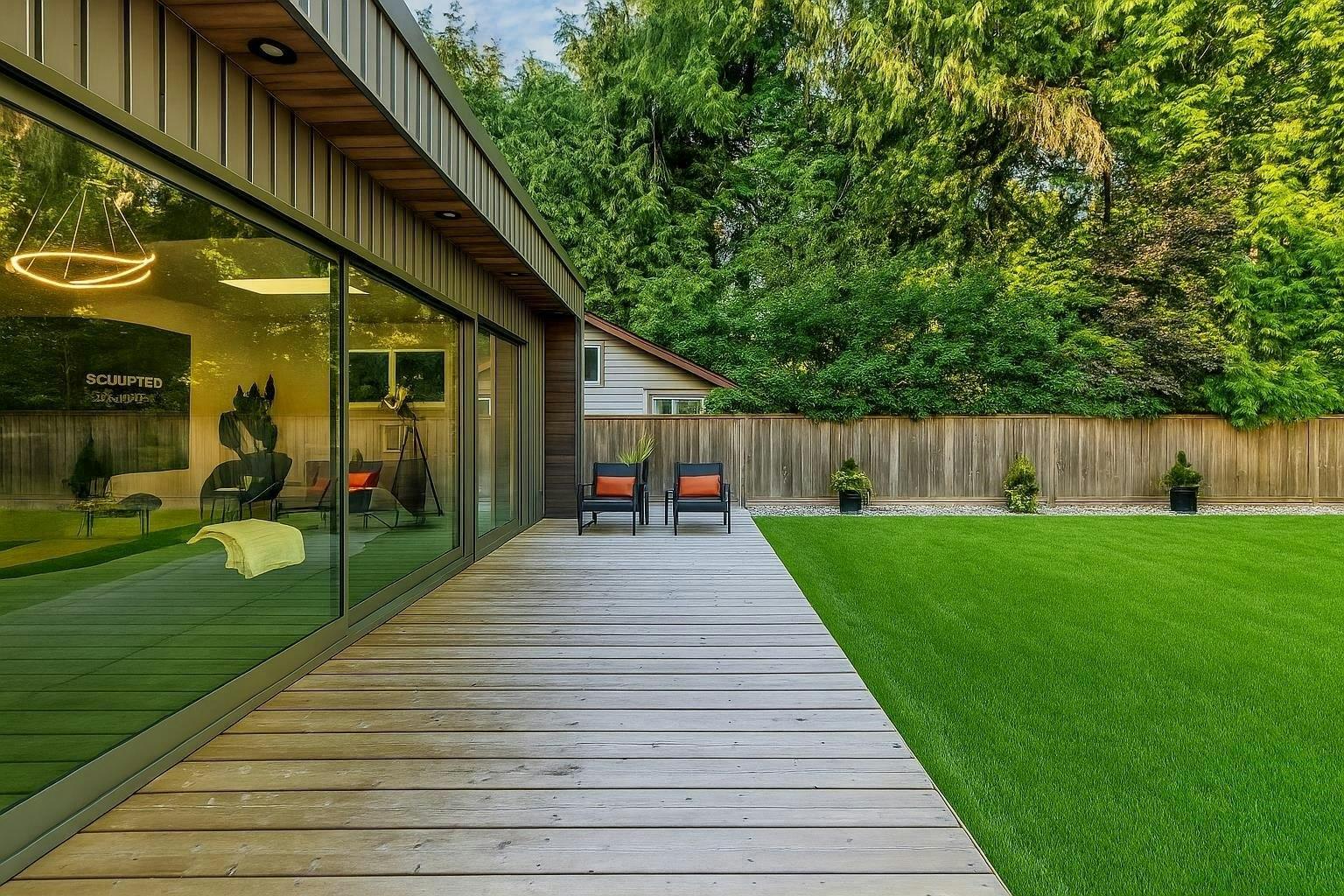
Even lawns can be hard to maintain without constant watering.
The problem isn’t always what you’re doing. A lot of plants just aren’t suited to the local conditions.
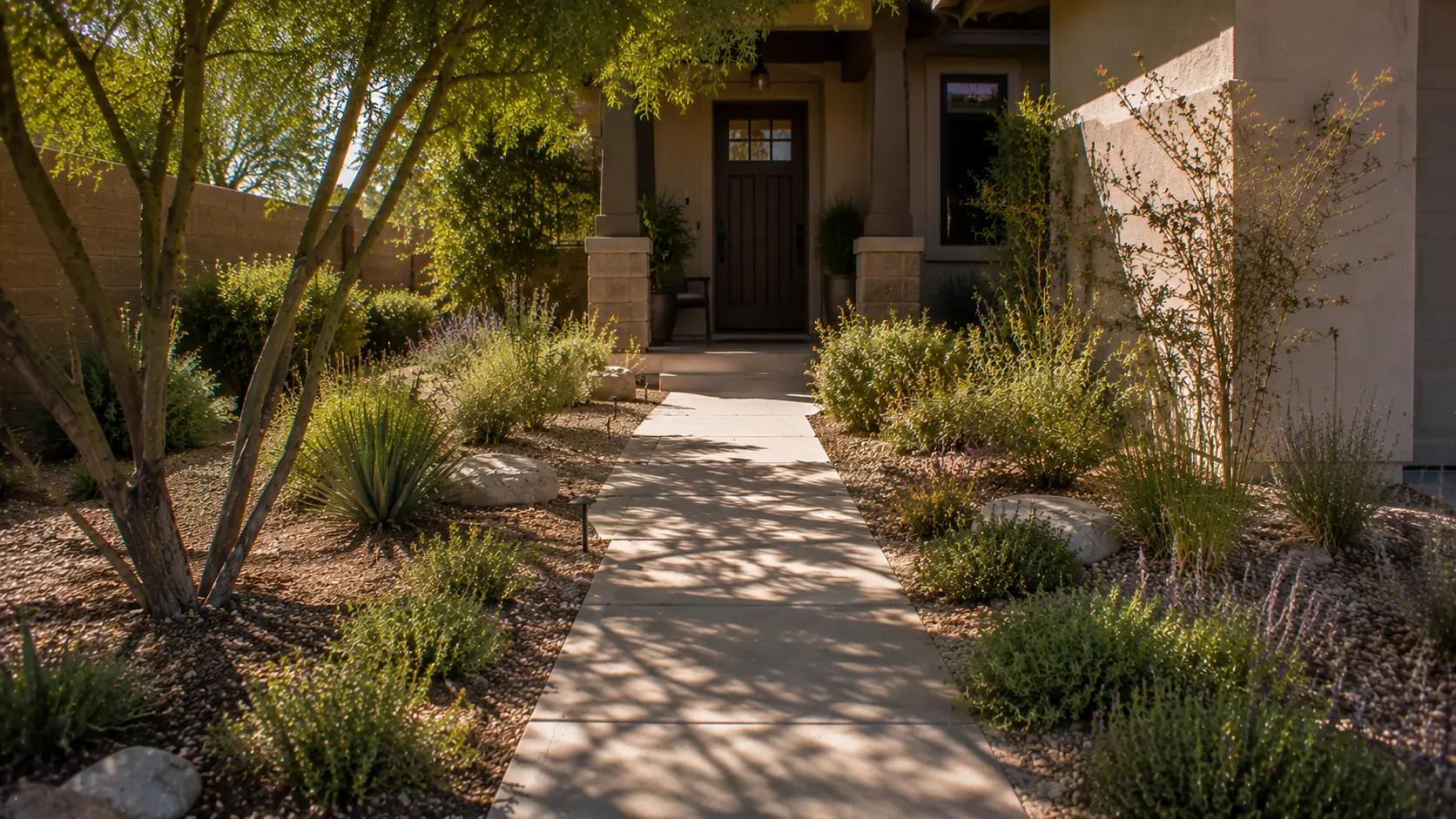
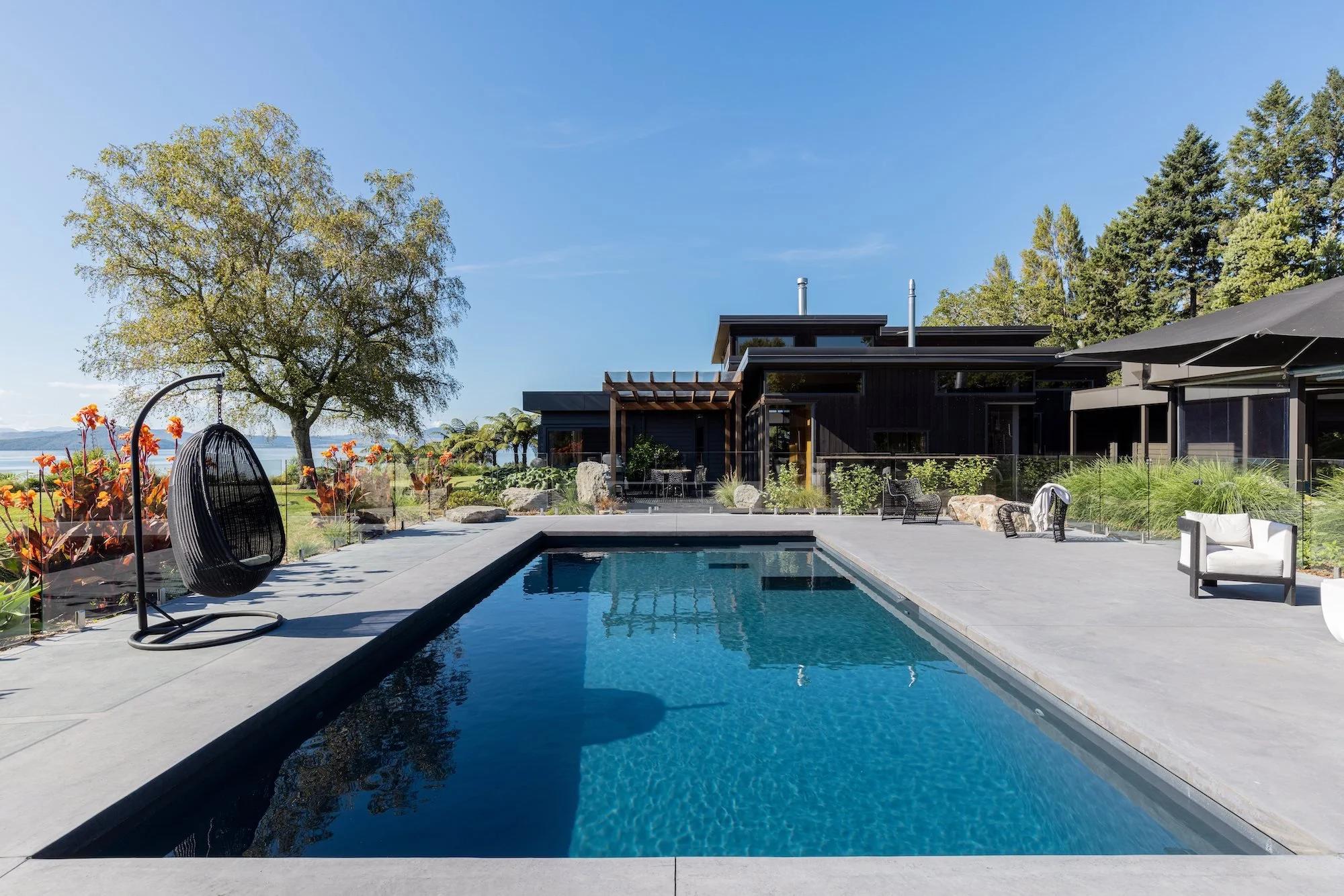
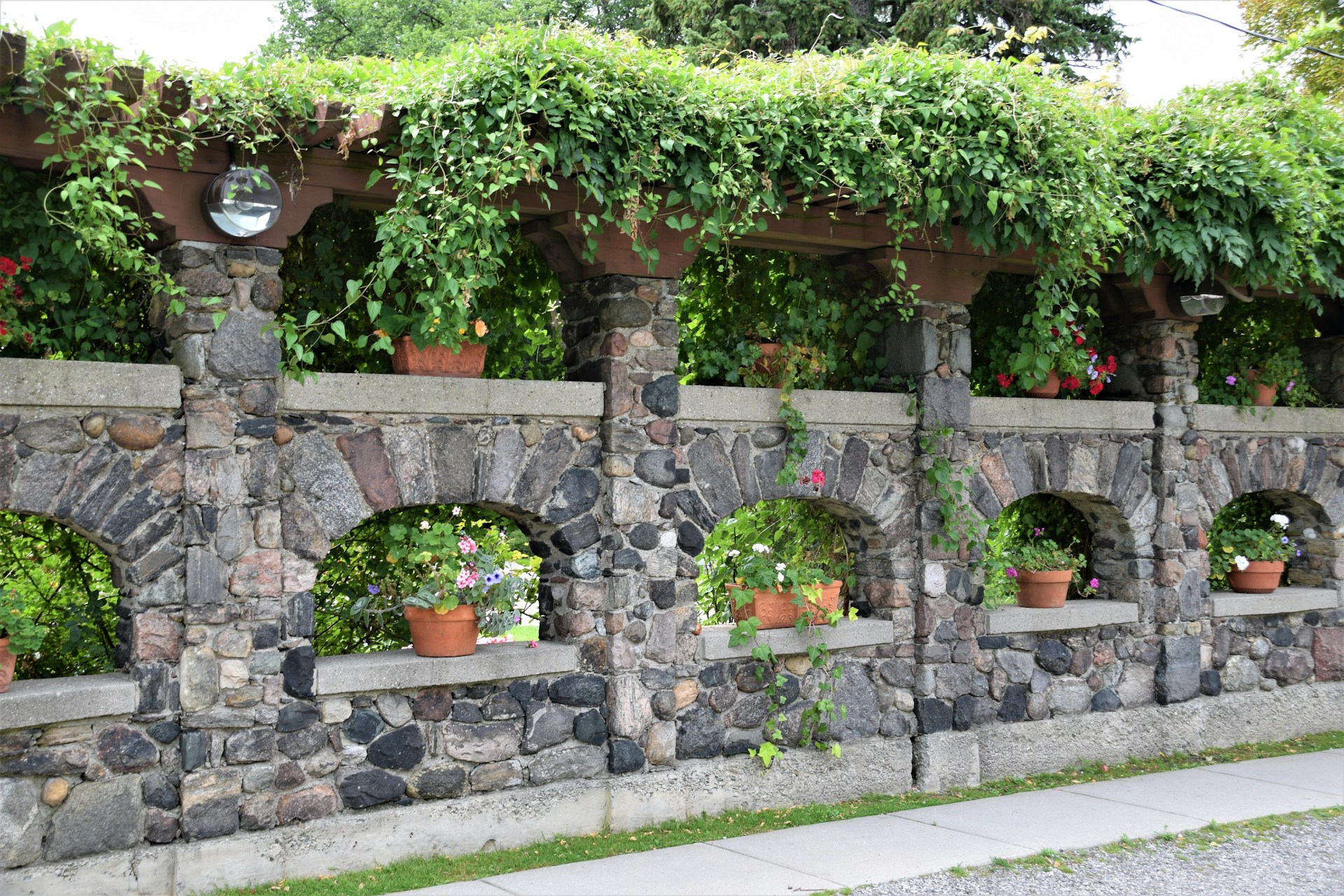
What works best here are plants that can handle both – plenty of rain and dry spells. These landscaping ideas for outdoor can help you create a more resilient yard. Once you choose the right ones, things get a lot easier. Professional Maple Ridge Landscaping services can help you select the right plants for your property.
Here are some options that actually do well in a Maple Ridge yard.
The quick list of what we’re yakkin about
- Trees that won’t drop a limb on your ute
- Bushes that fill up the ugly spots
- Flowers that come back every year without you doing a thing
- Stuff that crawls along the ground and chokes out the weeds
One big one is leaves turning yellow, especially the lower ones. They go yellow, then they just drop off. Most people think “needs fertilizer” or “too hot.” However, very often it is only that the roots are in wet soil and they cannot breathe.
The other one that all the people notice: the ground is wet, the plant is dead. You look and see it hanging, you get a notion about thirsty, you get to water, and when you catch your finger in it is wet. This is the plant that is suffocating. Roots need oxygen. When they are in water they drown.
Then there’s the nasty stuff. When the bottom of the stem of the plant you pull is soft and dark, or when the soil stinks of a swamp, it is root rot. Not good. Usually means it’s been too wet for too long.
Little black flies buzzing around the pot? Fungus gnats. They love wet soil. If you see them, you’re keeping things too damp.
And sometimes you’ll see a white or greenish fuzz on top of the soil. That’s not normal. That’s the soil being wet way longer than it should.
So yeah. It’s not about watering more. It’s about watering right. And the first step is just putting the hose down for a minute and actually looking at what the plant is telling you.
You can also find inspiration in these christmas landsacping ideas.
Trees That Belong Here
Don’t go planting some fancy tree from a magazine that wants California weather. That thing will be dead by Easter.
Vine Maple
This one’s a local. You see em in the bush around Golden Ears. They don’t get massive and take over the whole yard. They kind of twist and turn and look cool. In the fall they go this crazy bright orange and red. It’s like the tree is on fire but in a good way. They can handle some shade too which is handy because we all got those big cedars blocking the sun.
Pacific Dogwood
This is BC’s official flower. It’s got these big white blooms in the spring. Real pretty. A bit fussy about where you put it though. It doesn’t like its feet wet all winter and it doesn’t like the blazing hot afternoon sun right on its face. Tuck it in a spot with a bit of afternoon shade and it’ll be happy.
A Good Solid Maple
Look I’m not gonna pretend I know every variety. But if you go to the nursery and say you want a shade tree that won’t die, they’ll point you at something like a Legacy Maple. It’s just a reliable tree. Does what it’s supposed to. Gives you shade in summer. Drops its leaves in fall so you get some sun back in winter. No drama.
Bushes That Do All The Heavy Lifting
This is where you save yourself a ton of work. A good bush just sits there and looks decent twelve months a year
Oregon Grape
This thing is a tank. Spiky leaves like a holly bush. Yellow flowers in spring. Then these dusty blue berries that look like tiny grapes. The birds go nuts for em. You don’t have to do anything to this plant. It just exists. Shade, sun, wet, dry. Doesn’t care. I’ve got one in a corner that I literally forgot about for two years and it’s still there looking fine.
Evergreen Huckleberry
Another local. Shiny little leaves that stay green all winter. It gets these tiny pinkish bell flowers and then little huckleberries. You can eat em if you beat the birds to em. Makes a nice neat hedge if you let it. Doesn’t grow fast and get out of control like some bushes.
Red Flowering Currant
This one is an early bird. It blooms in like late February or March when everything else still looks dead and grey. Bright pinkish red clusters of flowers. The hummingbirds go absolutely mental for it. It’s the first real sign that winter is packing its bags.
Salal
You’ve seen this stuff if you’ve ever walked in the bush around here. It’s that leathery green leaf that florists use in bouquets. It spreads and fills in the shady spots under big trees where nothing else wants to grow. It’s not flashy but it’s reliable as heck.
The Flowers That Keep Coming Back
I’m lazy. I don’t want to plant new flowers every spring like my nan used to do. I want stuff I plant once and then it just shows up every year.
Sword Fern
Not a flower but who cares. It’s the ultimate BC plant. Big lush green fronds. Loves the shade. Loves the damp. If you’ve got a dark wet corner where even the moss looks sad, stick a sword fern there. It’ll thrive.
Coneflower
These look like a daisy that’s been hitting the gym. Big sturdy stems. Purple or pink or white petals around a spiky orange cone center. They love the sun and once they get their roots down they don’t care if you forget to water for a week. The bees love em too.
Lavender
Yeah I know everyone has lavender. But there’s a reason. It smells nice. It looks nice. It’s basically a weed that smells like your nan’s soap. Just don’t plant it in a spot that stays soggy all winter. It likes dry feet. Near a driveway or a patio is perfect.
Sedum
If you kill sedum you should probably just stick to plastic plants. These are succulents. Fat juicy leaves that hold water. They can go forever without a drink. There’s low ones that creep along the ground and taller ones that get these big pink flower heads in late summer. Bees go crazy for em then.
Stuff That Creeps Along the Ground
Bare dirt is just an invitation for weeds. Cover that dirt up with something nice.
Kinnikinnick
Try saying that three times fast. It’s a native ground cover. Tiny shiny leaves. Little pink flowers. Red berries in fall. It hugs the ground and spreads out into a thick mat that weeds can’t get through. Good for a sunny slope where mowing is a pain.
Pacific Bleeding Heart
This one is for the shady spots. It’s a soft delicate looking plant with ferny leaves and these little pink heart shaped flowers that hang down. It’s a sweet little thing. Spreads gently. Doesn’t take over. Just fills in the gaps nicely.
Stuff That Creeps Along the Ground
Even the tough ones need a bit of love to get settled.
- Water deep not often. Don’t just sprinkle the leaves for ten seconds. Stick the hose at the base and let it trickle for a while. You want the water to go down deep so the roots chase it.
- Dump some mulch on it. Bark chips, wood chips, whatever. Pile it up a few inches thick around the plant. Keeps the soil cool. Stops the water from just evaporating. Smothers the baby weeds. Best thing you can do.
- Give it a year or two. Even the drought proof plants need regular water that first summer to get established. Baby em a bit. Then you can ignore em.
Where to Actually Get These Plants
We got good spots around here.
Triple Tree Nurseryland on Lougheed. They’ve been here forever. They know what grows here.
Formosa Nursery is another good one.
And if you want the real local native stuff, hop over the bridge to NATS Nursery in Langley. They grow nothing but BC natives. They know their stuff.
That’s it. That’s the list. Plants that work. Plants that don’t need you to be out there with a watering can every second day. Plants that the birds and bees actually like. Go get your hands dirty and stop fighting the weather. Work with it.
Stuff People Ask Me
Why did my plant drown over winter?
Probably planted it in a low spot where water just sits. Some plants hate wet feet. You either gotta plant stuff that likes bogs (like ferns) or build up a little mound so the water drains away.
What’s the one plant I should just buy right now?
Oregon Grape. Seriously. It’s indestructible.
How do I know if a plant is actually from around here?
Ask at the nursery. Or look for the “native” sign. But honestly don’t stress too much about it. Lavender isn’t native but it loves our dry summers so who cares.
My whole yard is under a giant cedar tree. Everything dies.
Yeah that’s a tough spot. Dry shade. Sword ferns are your best bet. Salal too. Don’t expect big showy flowers. Just embrace the green jungle look.
When should I plant this stuff?
Fall is best. September or October. Ground is still warm. Rains are coming. Gives the roots time to settle in. Spring is second best. Just avoid the middle of a July heatwave.
And if all this still feels like a bit much, or you just don’t want to spend your weekend digging holes and guessing what goes where, it might be time to start your project with the right help. Get in touch with Kinsley Landscape. Our team knows Maple Ridge soil, what works, and what won’t last through the seasons. We’ll help you get it done properly.