For a long time, garden ponds seemed like something only experts or big budgets could handle. Those displays at the garden center with water lilies and small fountains looked nice, but they also looked complicated and expensive.
The truth is, a simple pond does not have to cost much or be difficult to build. Many people start with something small, like a plastic tub or a basic liner in the yard. If you’re still in the planning phase, this ultimate guide to adding a pond to your home covers everything from design ideas to maintenance essentials Once water, plants, and a little time come together, the space can quickly turn into a relaxing corner of the garden. Birds stop by, frogs appear, and suddenly the yard feels more alive.
Even small DIY ponds can make a big difference to a backyard. You can also explore these stunning water features to transform your backyard if you’re looking for inspiration beyond traditional garden ponds. You do not need special skills or a huge budget to get started. A few simple ideas and a little effort over a weekend can create something that looks great and brings a lot of enjoyment.
Here are seven easy pond ideas that almost anyone can build, even with very little experience.
Real Talk: Why Bother?
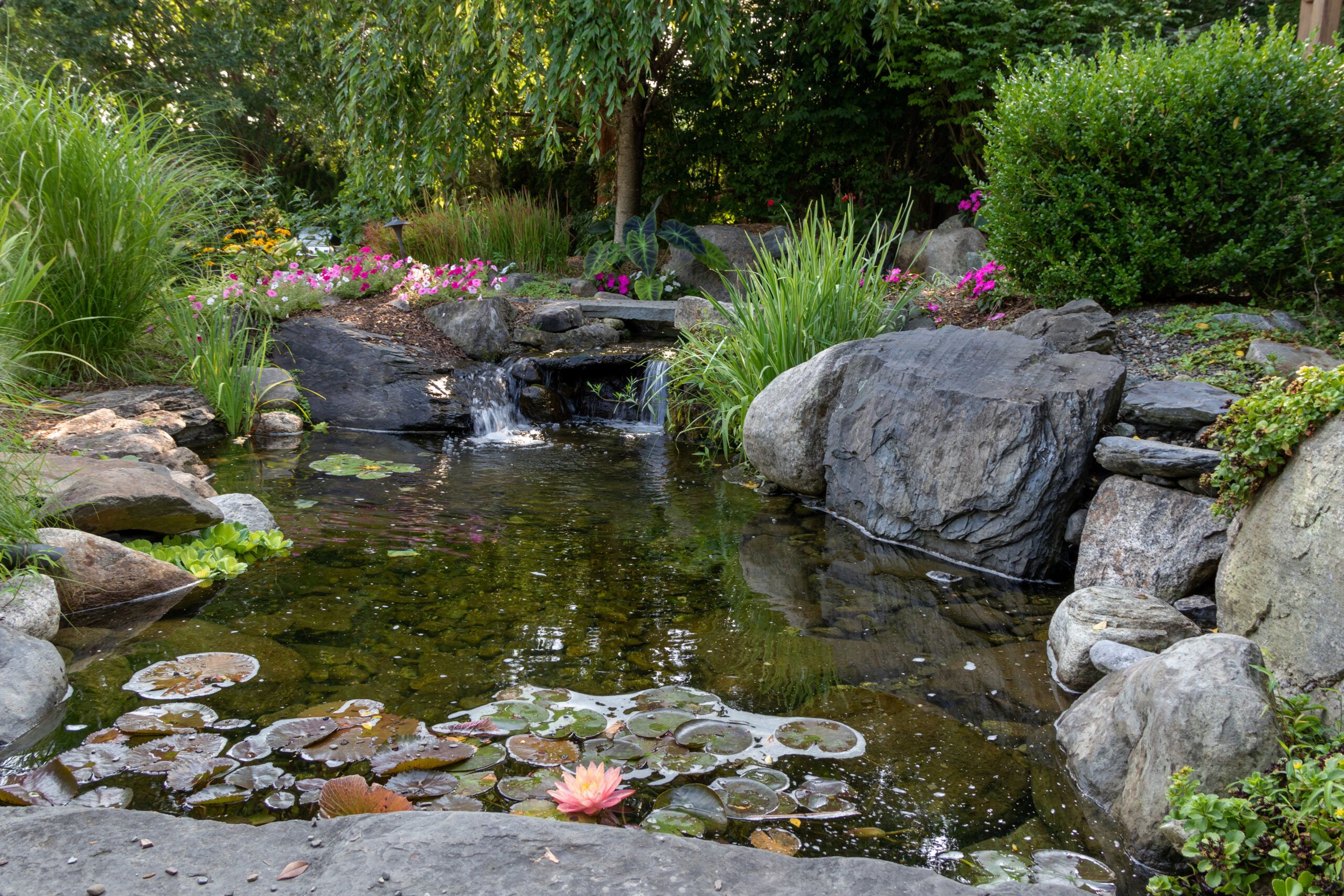
We should discuss the why before we get down to how, why would you want water in your garden? Even simple water features can completely change how a space feels.
It transforms the feel of the space. I cannot tell you how to explain it but you will know when you take your seat. It is water sound that simply relaxes everything. Masks the road noise. Intimidates the garden into a feeling of privacy when they are not.
The wildlife thing is real. I am no great nature lover but look at a frog survey your pond the first time? Genuinely lovely. Dragonflies show up. Birds come for baths. It has become not your garden when it is a part of something greater.
It provides you with a place to simply sit. We’re all busy. Always looking at screens. Always doing something. But place an easy-chair beside some water and you are at once allowed to do nothing. Just watch. Just listen. It is a lot more than meets the eye.
Alright. Enough chat. Into the ponds themselves.
7 Pond Ideas that will not be Expensive.
I have ranked these more or less in order of difficulty. Whatever is comfortable to you, choose it.
1. The Pot Pond (Anyone Can Do It Literally)
Get a container. Any container. An old whiskey barrel. A galvanized tub. A big ceramic pot. Even a plastic storage bin, should that be what you have. It can be a pond in case it contains water.
Here’s what you need:
- A container(larger is easier but any size can be used)
- Two little water plants (I prefer tiny water lilies)
- A few pebbles or stones to the bottom.
Optional: Small solar fountain in case you would like the water in motion.
- How it works: In case your pot has holes in it so that you can drain into it, seal it with silicone. Let it dry. Fill it with water. Drop in your plants. That’s genuinely it. Whatever, take it out to the patio, the balcony, wherever.
- What I learned: All these things have the ability to take care of themselves. Add water when it becomes low. Pull out dead leaves. That’s about it. Ideal with those unconfident learners
- A few pebbles or stones to the bottom.
2. The Old Sink Pond (When you want Character)
Old sinks and tubs are freely handed out by people. Check Facebook Marketplace. Ask relatives. And somebody has one rotting in a shed somewhere.
- How to do it: First thing-these things are heavy. Like, surprisingly heavy. Put it where you want it before you do anything else. If it’s metal and rusty, you might need to seal it or put a small liner inside. If it’s ceramic and holds water, you’re done.
- The look: Something about an old enamel sink full of water plants just works. Looks great in cottage gardens. Looks great in modern gardens actually. Just looks great.
- My mistake: I once tried to move a sink that already had water in it. Don’t do this. Empty first. I’m an idiot.
3. The Preformed Shell Pond (The Safe Option)
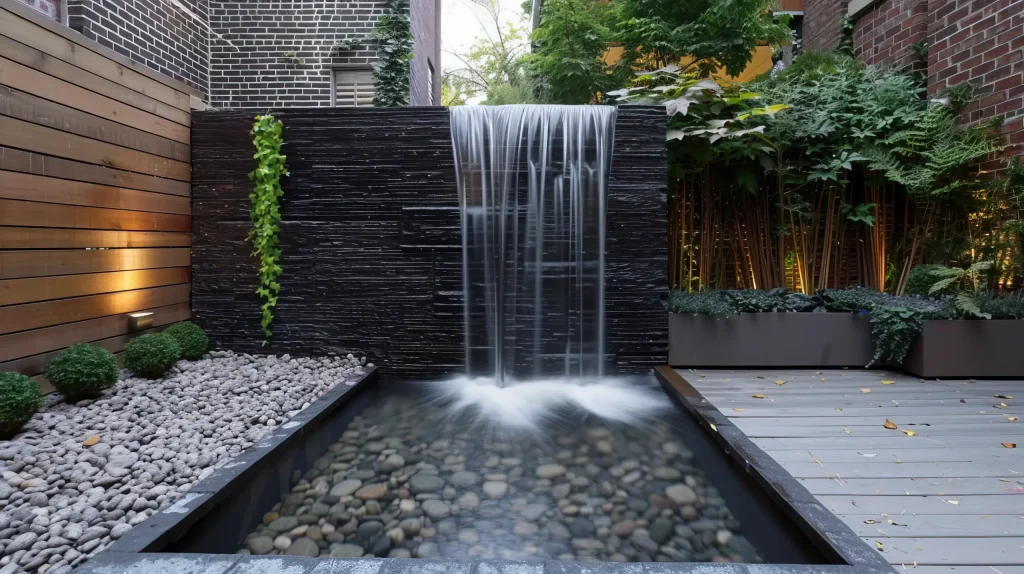
Garden centers sell these plastic shells. Little circles. Kidney shapes. They’re not expensive and they make things simple.
Here’s how:
- Put the shell on the ground where you want it
- Dig around it (bigger than the shell, slightly deeper)
- Put sand in the bottom so the shell sits soft
- Drop it in and check it’s level
- Fill with water while backfilling the sides with dirt
- The thing nobody mentions: That level thing matters. If it’s off by even a little, the water line looks wrong forever. I learned this the hard way. Check it. Then check it again.
4. The Flexible Liner Pond (Build It Your Way)
This is for when you want something specific. Maybe you’ve got an awkward space. Maybe you want something that looks totally natural. A rubber liner lets you dig whatever shape you want.
- What you do: Dig your hole. Make different depths if you want. Remove any sharp rocks (they’ll poke holes later). Put down old carpet or sand as underlay. Drape the liner over, let it sink in. Fill slowly, smoothing wrinkles. Trim the edges and hide them with rocks.
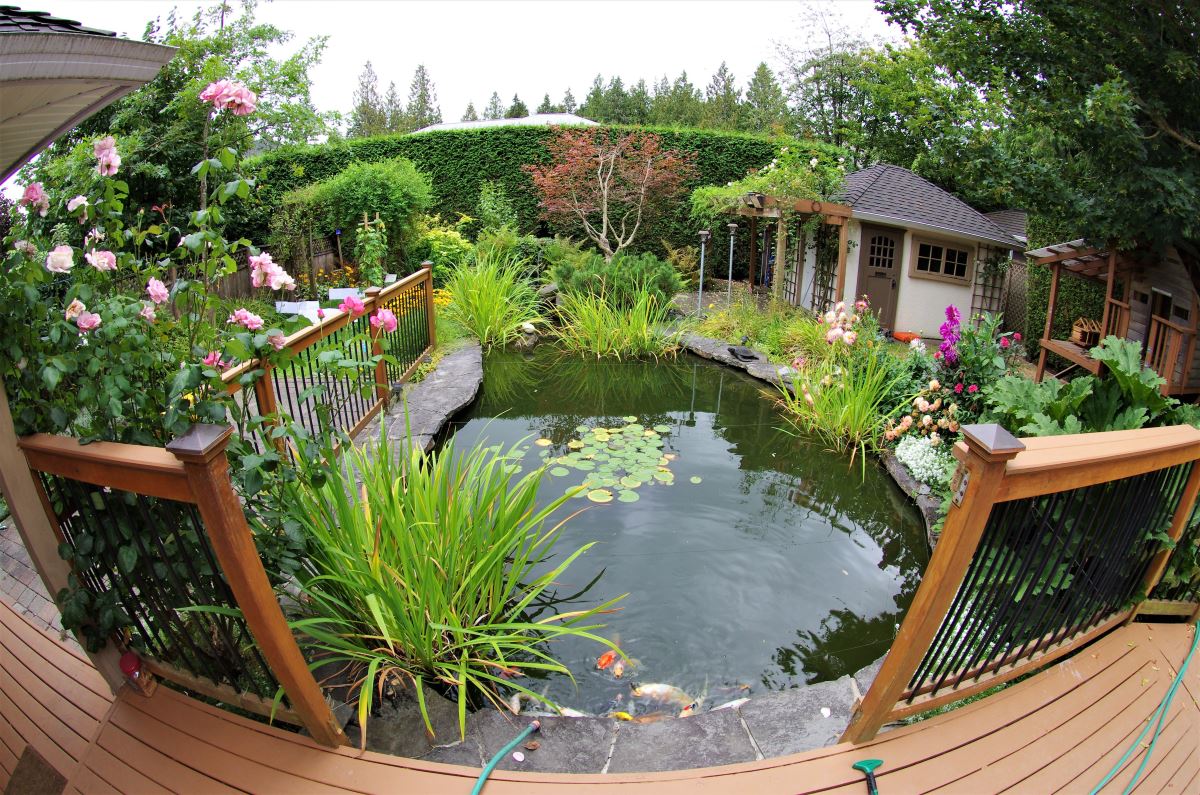
- Honestly: This is more work. But you end up with something that looks like it’s always been there. My main pond is like this and I love it.
5. The Wildlife Pond (Let Nature Handle It)
Here’s something I wish someone told me years ago: ponds don’t need pumps. They don’t need filters. They don’t need electricity. Still water is actually better for wildlife.
- How to do it: Dig a shallow hole with gently sloping sides (so creatures can climb out). Line it. Fill with rainwater if possible. Plant native stuff around the edges. Walk away.
- What happens: Frogs find it. I don’t know how but they do. Birds come. Dragonflies show up. It becomes this little wild spot that takes care of itself.
Best part: No maintenance. Just let it be.
Many pond experts recommend incorporating native plants and shallow edges to create a healthier ecosystem that attracts wildlife naturally with ponds design for wildlife.
6. The Solar Fountain Thing (Moving Water without Wiring)
Maybe you want the sound of moving water but don’t want to dig. Solar fountains are perfect for this.
- How it works: Buy a solar fountain kit online. Put it in a pot or bowl. Fill with water. Put the solar panel in the sun. When the sun’s out, water moves. When it’s cloudy, it stops. No electricity. No wiring. No fuss.
- Why I like it: Great for patios. Great for rentals (you can take it with you). And moving water keeps mosquitoes away, which matters more than you’d think.
7. The Little Stream (Trickling Water Magic)
This sounds fancy but it’s not. A little stream is just a narrow channel of water. Think old gardens with tiny streams running through them. You can make a small version.
- How: Dig a shallow channel. Line it with pond liner. Cover the liner with pretty pebbles. Put a small pump at the bottom. The pump pushes water to the top and gravity brings it back down.
- Size doesn’t matter: Even a 3-foot channel gives you that trickling sound. Put it where you’ll hear it from the house. You’ll thank me later.
Quick Tips
- Start small. You can always make it bigger later. For homeowners planning larger water projects, professional Pool Installation Services can help ensure proper excavation, filtration, and long-term performance. My first pond was a washing up bowl. Now I’ve got bigger ones. But
- Location matters. Too much sun and you’ll fight algae. Too much shade and plants struggle. Partial shade is perfect. And don’t put it under a tree unless you enjoy fishing leaves out constantly. Ask me how I know.
- Kids and safety. If you’ve got little ones, think about this. Raised ponds are safer. Mesh covers work. Or just wait until they’re older. Not worth the worry.
- Forget chemicals. New ponds get algae. It’s normal. Plants fix it. Patience fixes it. Chemicals just make things worse.
- Rainwater is better. If you can collect it, use it. Tap water has stuff that feeds algae. Rainwater keeps things balanced.
Common DIY Pond Mistakes to Avoid
- Not checking level. My first preformed pond slopes. The water looks wrong. I see it every time and kick myself. Check your level.
- Steep sides. Wildlife needs to get out. If you’ve got steep sides, creatures can drown. Always have a shallow bit or a ramp of rocks.
- Too many fish. Small ponds can’t handle many fish. They make waste, need food, complicate everything. Plants are easier. Plants are happier. Honestly, consider plants only.
- Buying all the plants at once. Start with a few. See what grows. Add more later. This is not a race.
- Not thinking about winter. In cold places, small ponds can freeze solid. Keep a rubber ball floating to maintain an air hole. Or just bring fish inside if you have them.
If you want to explore more planning tips, pond placement ideas, and beginner advice, our Ultimate Guide to Adding a Pond to Your Home covers everything in more detail.
Final Thought from Kinsley Landscape
You don’t need to be a gardening expert. You don’t need a big yard or a big budget either. If you like the idea of having a little water in your garden, that’s enough reason to start.
My first pond was nothing fancy. Just a plastic tub on the patio that cost about fifteen dollars and an afternoon to set up. I still remember the first time a frog showed up and started hanging around. That tiny setup changed how the whole space felt.
The best ponds aren’t the expensive ones you see in magazines. They’re the ones people actually sit next to. The ones that make you pause for a few minutes, listen to the water, and forget about everything else for a while.
Even simple water features can create that feeling. It doesn’t have to be perfect. A pot pond, an old sink, or a small liner pond can do the job just fine.
So pick one idea from the list and give it a try. Start small if you want. See how it goes. You can always make it bigger later.
What matters most is getting started.
Dig the hole. Find that old container. Set up the liner.
Your pond is waiting.