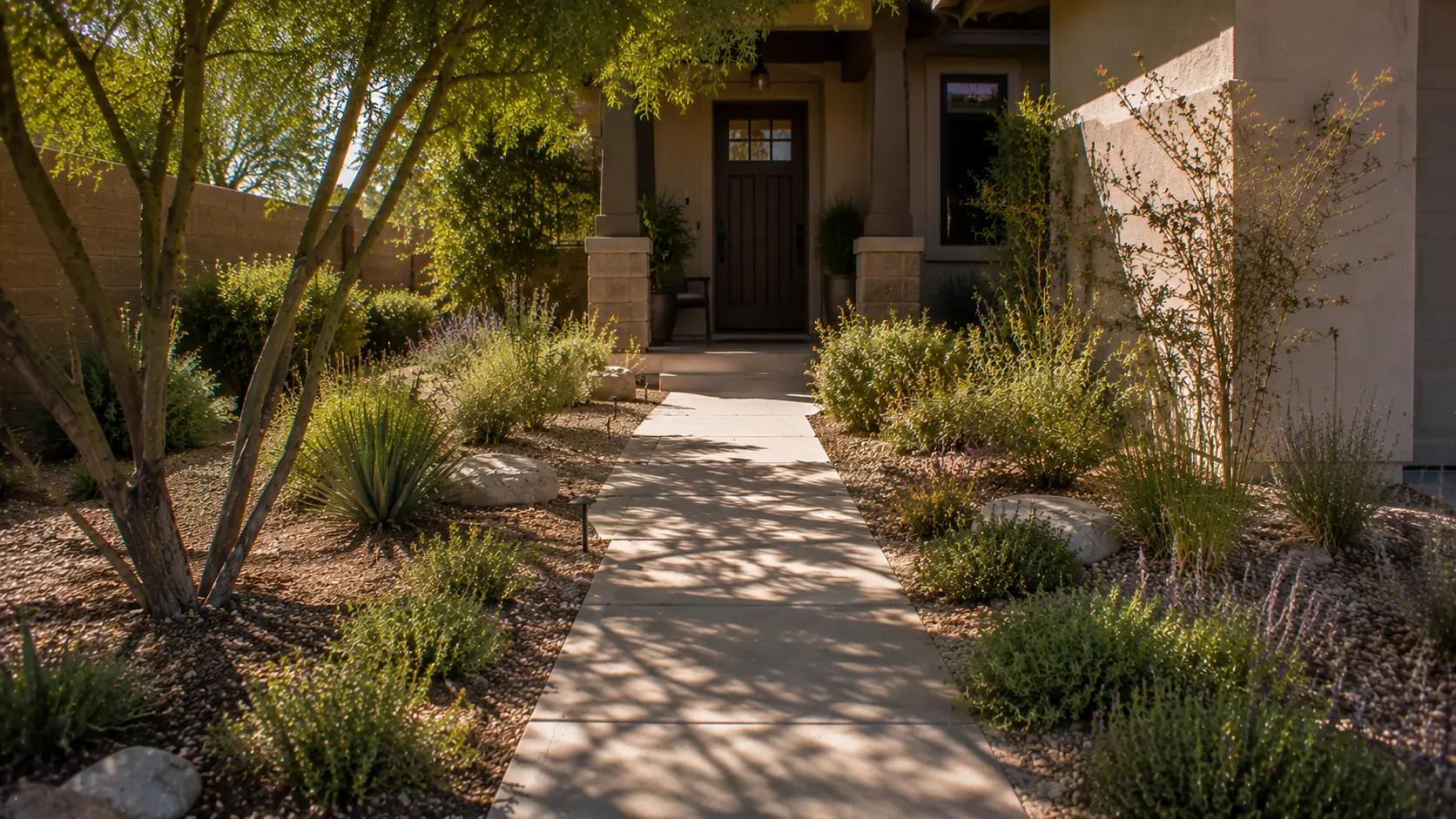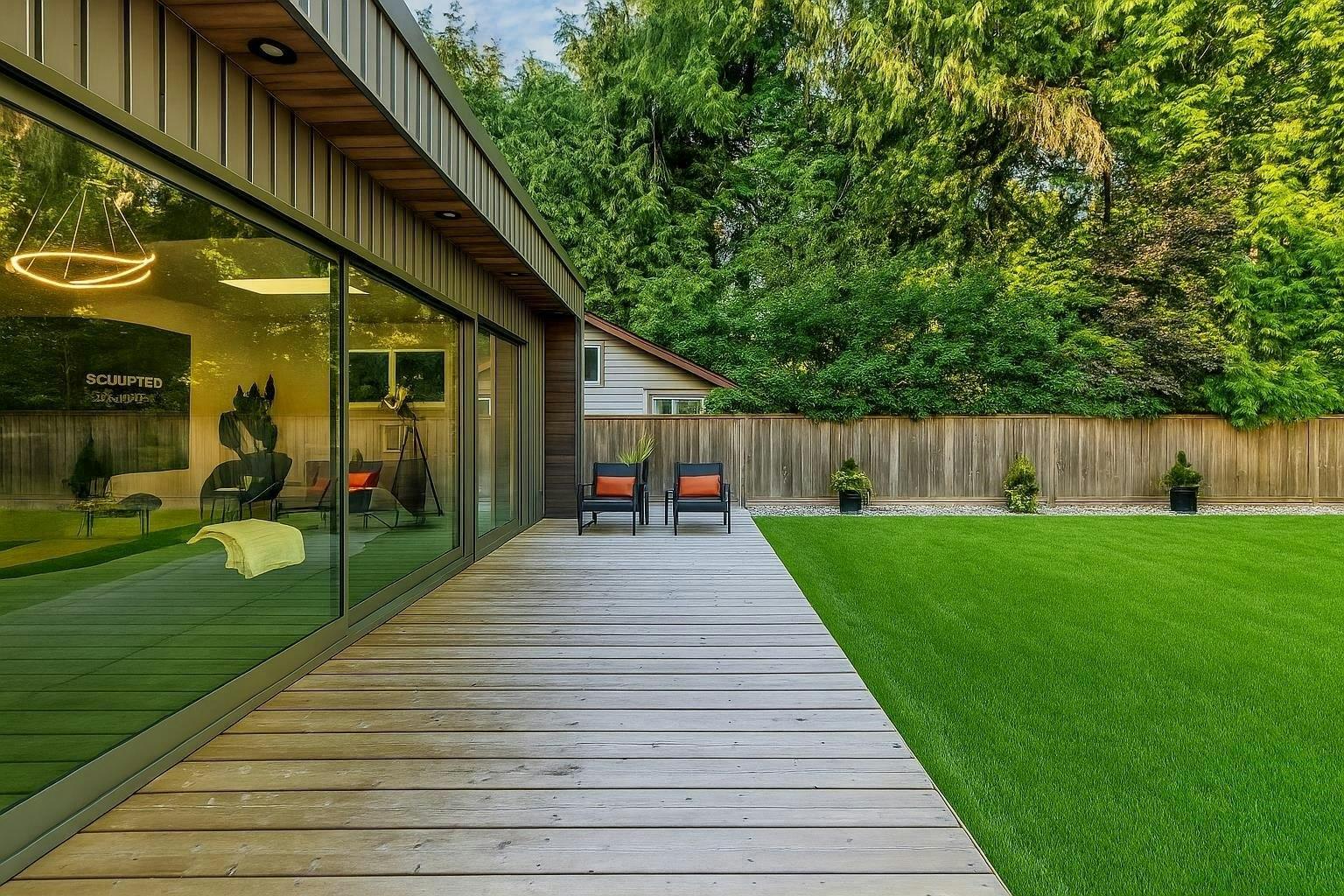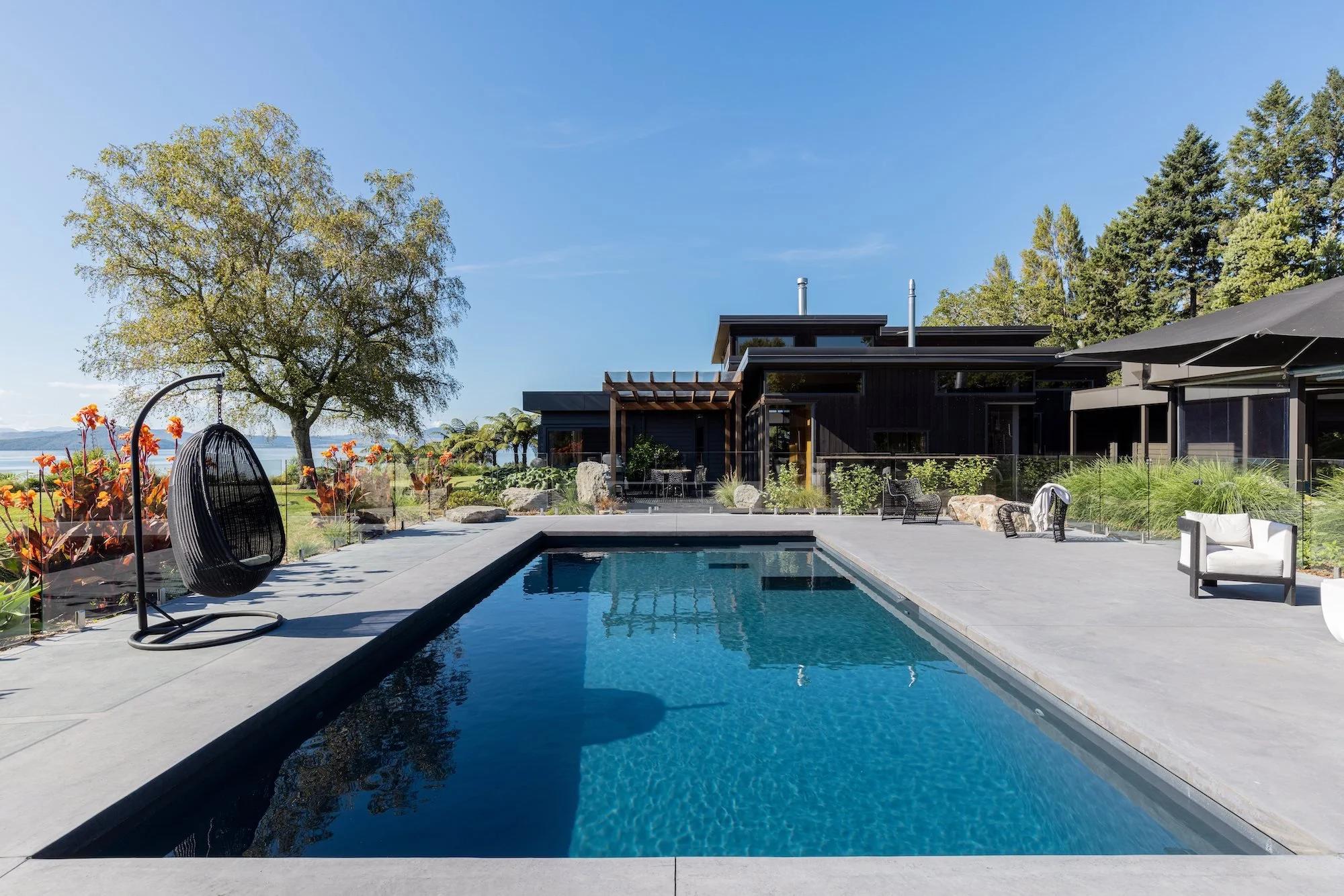
Ever look at your own front path or backyard slab and just mutter, “Really? This thing’s only three years old and it’s already falling apart?”
It’s a frustration that hits far too many homeowners. A fresh-looking patio starts failing after the first hard winter, a driveway looks like a topographical map by year four, and nobody wants to hear that the fix costs more than the original job. This guide pulls together real-world lessons about picking the right materials, prepping the ground the right way, and dodging the silly mistakes that send so many outdoor surfaces to an early grave.
No polished sales pitch, no complicated engineering talk. Just honest, from-the-trenches stuff that helps a patio, walkway, or driveway hold up while actually looking good.
What Makes Your Backyard Worth More?
Homeowners often get completely stuck on the patio or deck: which adds more value to your backyard? And it’s not a one-answer-fits-all question. It really comes down to what the yard does and how people live.
If a back door is perched four feet off the ground, a deck makes sense because it bridges that height without moving mountains of dirt. But on a fairly flat lot, which covers most suburban yards; a patio built with interlocking paving stones tends to be the smarter long-term play. Decks need restaining every other year, boards start cupping, nails pop up like little land mines. Pavers just sit there. They don’t rot. They handle freeze-thaw cycles without heaving apart the way a big concrete pour often does. And here’s something learned the hard way: when a concrete patio cracks, you’re stuck with that crack unless you tear the whole thing out. When a paver settles a bit, you pull three stones, level the sand, and tap them back in. Twenty minutes. Try doing that with a cracked slab.
From a resale lens, buyers walk onto a paver patio and see a finished space. They picture their own barbecue and chairs sitting there. It doesn’t whisper “maintenance project.” It whispers “relax.” And because interlocking paving stones just need occasional joint sand and some sweeping, the upkeep is low enough that anyone can actually enjoy the yard instead of becoming a slave to it
Driveway Nightmares You Can Totally Avoid
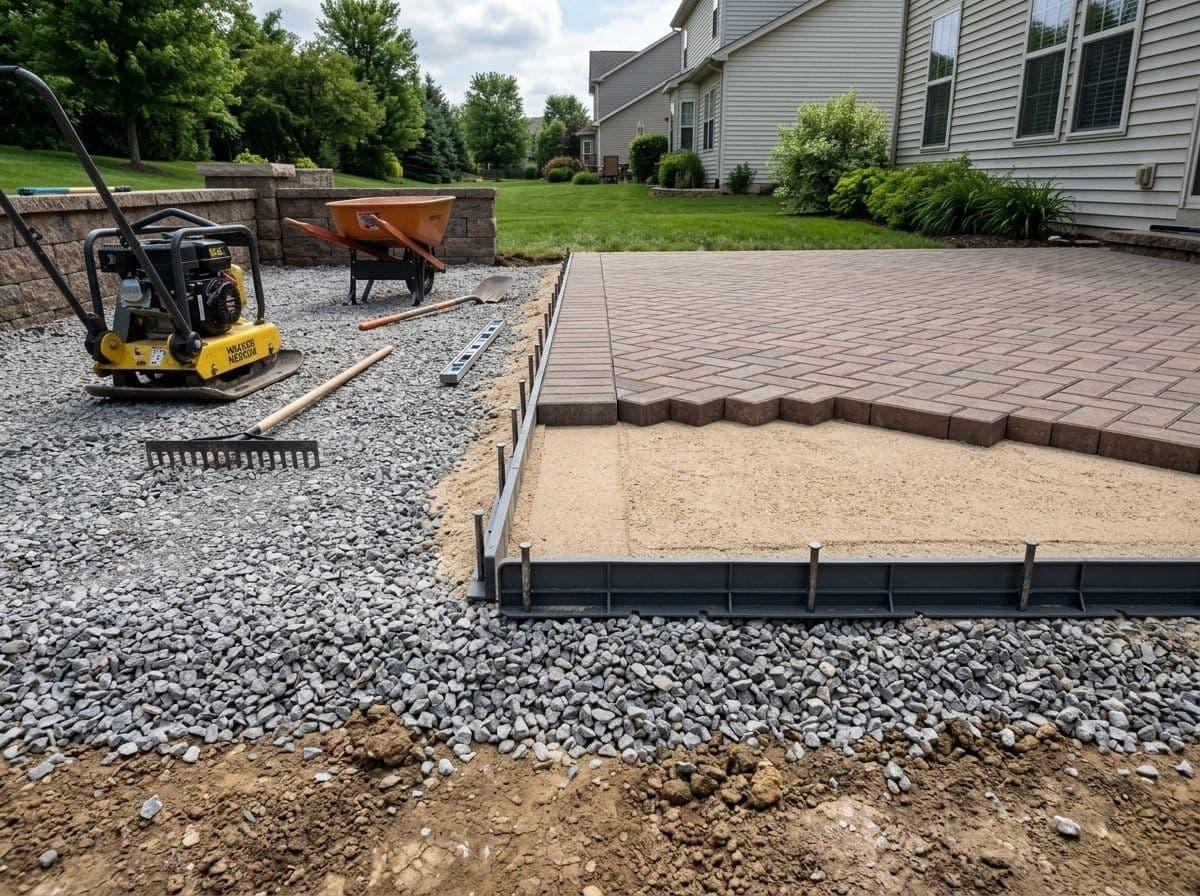
Let’s be straight up: half the driveways that need fixing were ruined by these mistakes homeowners make when upgrading their driveway. And the number one mistake? Skimping on the ground underneath. Not the pretty part, not the stones shown off to the neighbors, the gravel and the compaction.
A driveway needs a solid base, and a solid base is thick. If your soil is clay-heavy (so common around here), you need that base to be a full 8 to 12 inches of well-compacted gravel. Many crews scrape off six inches of topsoil, toss in two inches of sand, and start laying stones. It looks perfect for one season. Then winter comes, the ground shifts, and suddenly you’ve got a bowl in the middle of your driveway that holds water for three days after a rain. Undoing that mess costs triple what the base work would have cost in the first place.
Drainage is another thing people forget until their garage floods. Your driveway needs to tilt away from the house, always. Even a one-percent slope gets water moving where it should go. If the lay of your land makes that tricky, a channel drain across the driveway entrance or a subtle swale can save your foundation. A single downspout dumping onto a driveway edge eats away the base in two winters. When planning a driveway, always trace where the roof water goes.
Interlocking paving stones are a forgiving choice here because they’re not one big slab. If there’s ever a need to dig down for a utility repair or fix a low spot, remove only what’s needed, do the work, and put the stones back. The repair blends in. Asphalt and concrete patches never quite match. And if the property has a big old tree sending roots sideways, pavers can handle a little nudge from below. They flex rather than fracture. A root barrier is still smart if the tree is close, but it’s nice knowing the surface isn’t going to split open overnight.
Spots That Take a Beating Every Single Day
The front porch landing, the skinny side path where kids race the dog, the route from the driveway to the pool gate, these are the heavy hitters. When helping a homeowner choose the right materials for high-traffic outdoor areas, the focus should be on grip, thickness, and how easy they are to clean.
Textured interlocking paving stones are the go-to here. Smooth tiles or polished concrete look great in a showroom, but toss some rain or morning frost on them and it’s ice skating. A slightly rough paver gives shoes something to bite into. And unlike surface-coated concrete that wears smooth over time, the texture in a quality paver goes all the way through.
Thickness counts, too. For a walkway that only ever feels sneakers and boots, standard 60mm pavers do the job. But if there’s any chance a loaded pickup or a snowplow might wander onto that surface, bump it up to 80mm or more. The extra thickness spreads weight and stops the base from getting dinged. It’s a little more money up front, but nowhere near the cost of ripping out a crushed section.
Also, paying way more attention to the joints now than ever before. Narrow joints packed with polymeric sand lock everything in place and keep ants and weed seeds from setting up camp. In really wet areas, wider permeable joints can let water soak straight through, which cuts down on runoff and those scary ice sheets that form across the whole patio. That kind of drainage detail is one of those “boring but brilliant” moves that nobody thinks about until they’re shoveling a frozen puddle at 6 a.m.
Walkways That Actually Welcome People
A front walkway should do more than just get someone from the sidewalk to the door without stepping in mud. Walkways that instantly improve curb appeal and functionality are the unsung heroes of a house’s first impression.
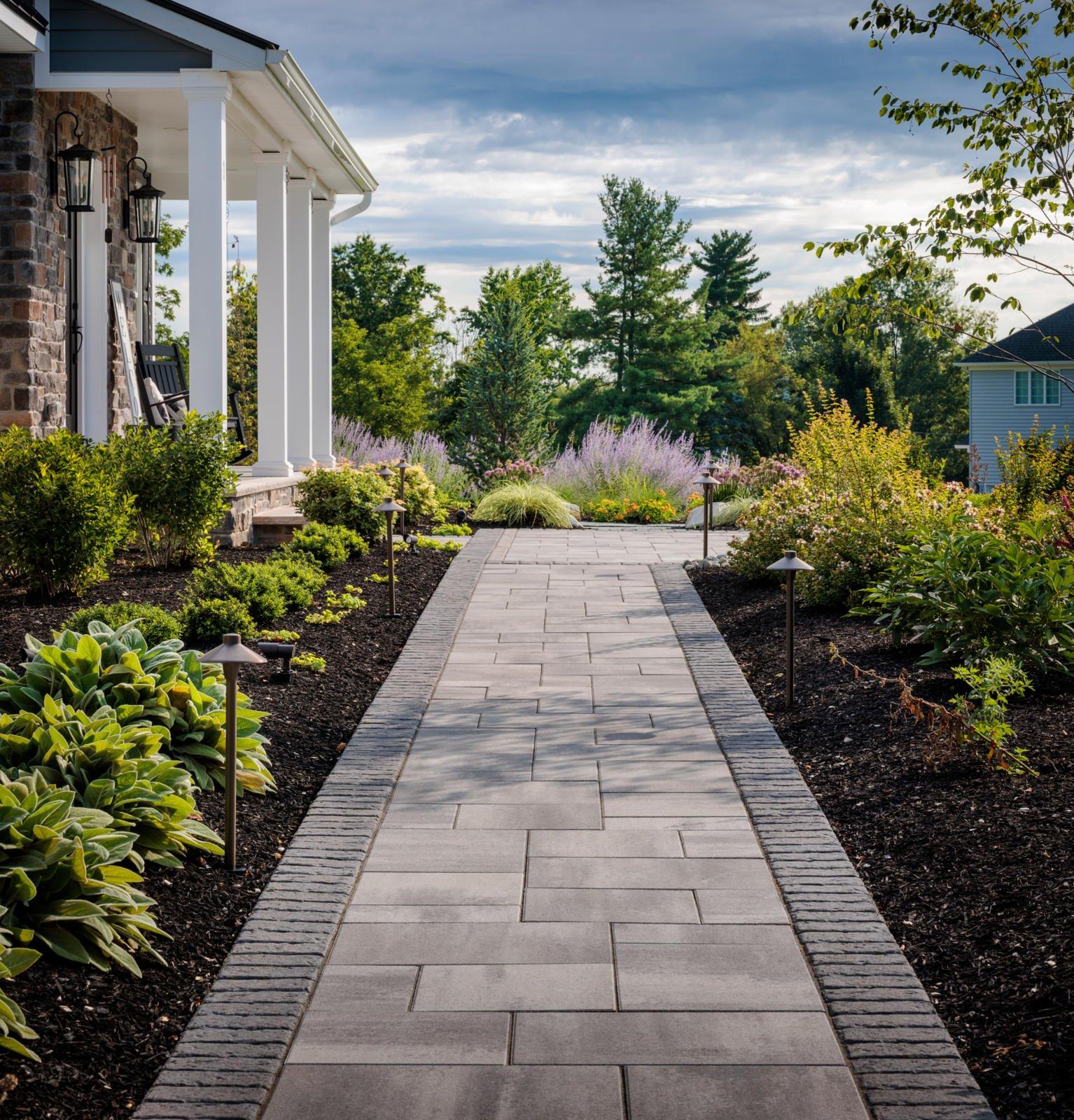
First thing: width. Walkways should be at least four feet wide. That lets two people walk comfortably side by side, or carry groceries without tangling elbows. A little flare at the bottom where it meets the public sidewalk makes the entry feel open and generous. And always build a small landing right at the door—a place to set down a coffee while fishing for keys, or just pause before stepping inside. It sounds tiny, but everyone who’s had one raves about it.
Shape matters, too. A completely straight shot looks fine on a very formal colonial, but for most houses a soft curve or a slight S-bend feels more natural. It lets the planting beds along the path breathe and makes the house reveal itself gradually. Laying out garden hoses on the grass first to play with the curve before a single shovel hits the ground is a simple trick that works every time.
With interlocking paving stones, there are so many pattern options. A simple running bond always looks tidy. Herringbone adds a bit of energy and is crazy strong under wheels if the path ever doubles as a service drive. Framing the path with a border row in a slightly darker or lighter color defines the edges and hides any cuts that aren’t perfect. And a barely-there slope away from the house (we’re talking one inch over eight feet) stops water from pooling at the front step. Nobody ever notices it by eye, but the absence of a puddle sure gets noticed.
Design Ideas That Aren’t Just a Flash in the Pan
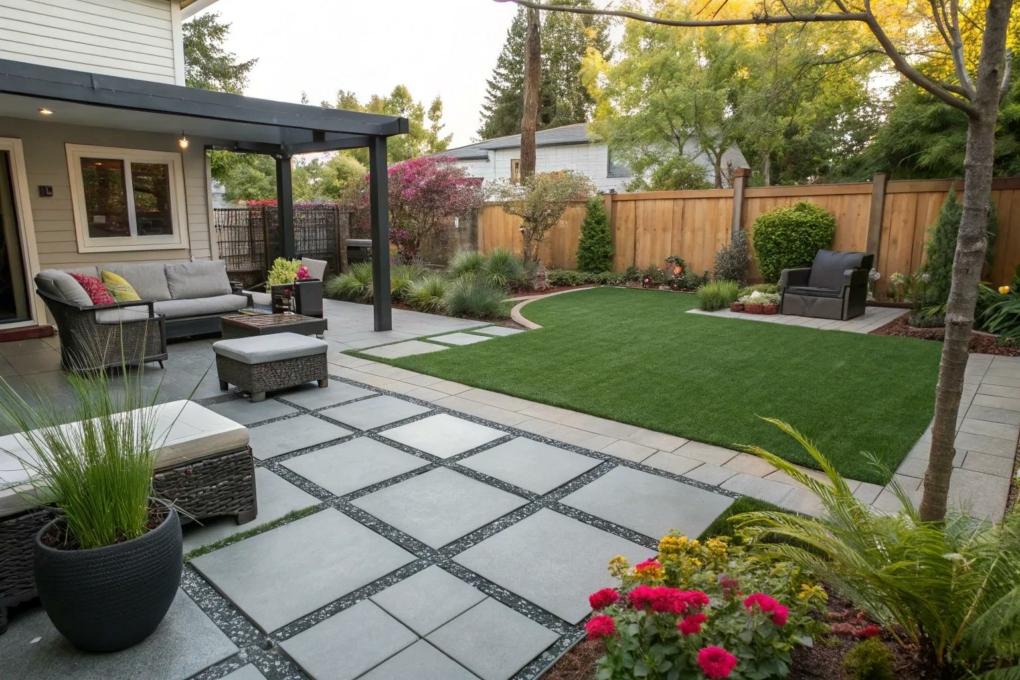
Trends come and go. It’s easy to spot which ones stick. Modern outdoor design trends homeowners are loving right now that actually have legs boil down to a few things: bigger pieces, quieter colors, and surfaces that work with nature instead of fighting it.
Large-format pavers are huge right now, and they’re not going anywhere. A 24-inch or 36-inch slab gives a really clean, uncluttered look. Fewer joint lines means less visual noise, and it can make a small patio feel a lot bigger. Going wall-to-wall with them isn’t necessary. Mixing a field of large slabs with a strip of smaller accent pavers or river rock adds texture without feeling busy.
Color-wise, the shift is toward warm, earthy neutrals; charcoal, driftwood gray, sand, tan, warm taupe. They don’t fade in the sun like the reds and pinks of the ’90s, and they hide dust and leaf litter much better than pure white or jet black. They also play nice with almost any house color, so there’s no lock-in if the trim gets repainted.
Permeable paving is another one that’s moving from “nice to have” to “must-have” in some areas. The idea is simple: water goes between the stones instead of racing toward the basement or the street. It’s great for reducing ice patches and keeping the foundation dry. Some towns actually require it now for new driveway or patio projects. Even if they don’t, it’s a killer selling point later.
Mixed materials are showing up everywhere. A lot of designs now include a band of pebbles, ground cover, or even artificial turf running between paver sections. It softens the hardscape, helps with drainage, and breaks up big expanses of stone visually. Just make sure the edges are soldier-course tight so gravel doesn’t wander into the grass and turn into a lawnmower missile.
Keeping It All Looking Sharp Without Losing a Weekend
A paver surface is tough, but it’s not magic. A little routine care keeps it from turning into a headache. Here’s what gets passed along to every homeowner:
- Sweep or leaf-blow debris regularly. Rotting leaves get slimy and slippery, and they feed weed seeds.
- Check joint sand every spring. If there are gaps, top up with polymeric sand. It locks the stones and keeps bugs and weeds out.
- Spills happen. Oil drips from the car, BBQ grease, and a dropped soda. Hit it with a little dish soap and a stiff brush before it soaks in deep.
- After a heavy rain, walk the area. If water’s sitting for hours, the base might need a small correction under those few stones. Fix it now and it’s an afternoon job; ignore it and it gets bigger.
- In winter, use a plastic shovel and avoid rock salt. Plain sand or a calcium-based ice melter gives traction without pitting the surface.
The Stuff Nobody Tells You Until It’s Too Late
A couple other quick-fire lessons collected the messy way:
- Edge restraints are non-negotiable. The outer row of pavers wants to wander sideways over the years. A sturdy concrete or heavy plastic edging, pinned deep, holds the whole pattern tight.
- Downspouts matter. If a roof downspout dumps right onto the walkway, it’ll blast out the joint sand and wash the base over time. Redirect that water somewhere safe while the ground’s already open.
- Big trees mean big roots. When paving near a mature tree, talk to a professional about root barriers or accept that a few stones might need tweaking down the road. Pavers handle it better than solid concrete, but it’s good to know going in.
- Light makes everything better at night. Even a few low-voltage path lights set into the paver bed turn a dark hazard into a warm welcome. And with pavers, adding a light later is easy—lift a stone, run the wire, set the fixture, and put the stone back. Try that with stamped concrete.
Quick Takeaways
- Patio or deck: which adds more value to your backyard? On flat lots, a paver patio typically wins because it lasts longer, costs less to maintain, and feels like a true outdoor room.
- The biggest mistakes homeowners make when upgrading their driveway are a thin base, ignoring drainage, and picking a material that can’t flex with the ground. Interlocking paving stones solve a lot of that.
- When you choose the right materials for high-traffic outdoor areas, go with textured, thicker pavers that give grip and hold up under serious use.
- Walkways that instantly improve curb appeal and functionality are wide, gently shaped, slightly sloped away from the house, and built with materials that let you make easy repairs later.
- Modern outdoor design trends homeowners are loving right now that stick around: large-format stones, warm neutral colors, permeable systems, and mixed materials.
- A tiny maintenance routine; sweeping, checking joints, cleaning spills—keeps a paver surface looking fresh for decades.
Frequently Asked Questions
Are interlocking paving stones really worth the higher upfront cost compared to plain concrete?
In my experience, yes, for most homes. Concrete cracks, stains, and can’t be patched invisibly. Pavers can be repaired stone by stone, they handle freeze-thaw cycles without splitting, and they give your property a look that feels planned, not budget-built. Over a 20 or 30 year span, you often save money because you’re not doing major resurfacing or slab replacements.
How long will a properly installed paver driveway last?
Honestly, decades. I’ve seen driveways still flat and clean after 25 or 30 years. The pavers themselves don’t wear out. Almost every failure I’ve seen traces back to a base that was too shallow or poorly compacted, or an edge that gave way.
Can I install interlocking pavers myself and save some money?
For a small, straight patio or a short walkway, a handy person with patience can pull it off. But a driveway or a big multi-level patio involves serious excavation, heavy compaction equipment, and precise grading that’s hard to get right on your first try. Many folks hire a pro for the big stuff and tackle a garden path on their own. It’s a nice mix.
What’s the best way to keep weeds from growing up between pavers?
Polymeric sand is your friend. You sweep it into the joints, mist it with water, and it firms up to create a weed-blocking crust. Top it up every couple of years as it naturally erodes. If a stubborn weed pops through, yank it or pour boiling water on it instead of using bleach-based weed killers that can stain the stones.
Do pavers get dangerously slippery when wet or frozen?
Textured pavers give way more traction than slick concrete or glazed tiles. If you pick a paver with a stone-like, slightly rough finish, you’ll be in good shape. In winter, steer clear of rock salt, it can degrade some surfaces—and use sand or a calcium-based ice melter for safe footing.
At Kinsley Landscape, we treat every project like it’s our own backyard, because we know that when the work’s done, you just want to enjoy your space without worrying about what’s going to crack next. If you’re chewing on an idea for your outdoor surfaces or need help untangling a mess left behind by the last guy, swing by kinsleylandscape.ca. We’d love to listen and help you map out something that’ll still look great when your kids are learning to drive.